A buyer usually decides whether it's a "Hell Yes" or a "Hell No" within moments of walking through your front door.
They won't tell you that.
They'll finish the showing.
They'll smile.
They'll thank their agent.
Then they'll move on to the next house.
The offer was lost long before anyone talked about price.
After walking through hundreds of homes with buyers over the past decade, I've learned something most sellers never get the chance to see.
Buyers rarely tell you why they didn't write an offer.
They simply move on.
Over time, though, patterns begin to emerge.
The decision usually isn't made at the negotiation table.
It's made much earlier.
Quick Answer
Most sellers assume buyers don't make offers because of price.
In reality, buyers usually decide not to write an offer long before they start negotiating.
The decision is driven by confidence, emotional connection, and whether they can picture themselves living there.
Buyers don't write offers because they like a house.
They write offers when they can picture themselves living there and feel confident moving forward.
That single shift in perspective changes how sellers should evaluate every showing, every piece of buyer feedback, and every decision they make after their home hits the market.
As discussed in Why Your Home Isn't Selling: Understanding Listing Repositioning, understanding why buyers hesitate is often more valuable than immediately changing the price.
The Decision Happens Before Buyers Ever Talk About Price
One of the biggest misconceptions I hear from sellers is this:
"They just thought the price was too high."
Price certainly matters.
But from what I've experienced walking through homes with buyers, the decision usually starts long before buyers begin talking numbers.
It starts with how the home feels.
Does it feel welcoming?
Does it feel cared for?
Does it feel comfortable?
Does it feel easy to imagine everyday life happening there?
Or...
Does something feel off?
Those thoughts happen quietly.
Most buyers never say them out loud.
Instead, they keep walking.
By the time they leave, they're already moving toward a "yes" or quietly moving toward a "no."
Buyers Don't Need a Perfect House
One of the biggest surprises for sellers is this:
Buyers are not looking for perfection.
They're looking for confidence.
I've walked buyers through beautifully updated homes that felt cold, disconnected, or difficult to imagine living in.
I've also walked buyers through modest homes that immediately felt welcoming.
Not because they were perfect.
Because they felt cared for.
Clean floors.
Natural light.
A comfortable flow from room to room.
Enough space to move without feeling crowded.
Small details that quietly communicate,
"This home has been loved."
Buyers notice those things.
They may never mention them.
But they feel them.
That's very different from simply admiring a renovated kitchen.
As discussed in Can a Stale Listing Be Saved?, restoring buyer confidence often creates far more momentum than making another price reduction.
When Online Doesn't Match Real Life
This is one of the biggest changes I've seen over the years.
Buyers begin touring homes long before they ever schedule a showing.
They study the photos.
They watch the videos.
They imagine what it will feel like to walk through the front door.
Then they arrive.
If the experience matches what they expected—or exceeds it—confidence grows.
If it doesn't...
Trust begins to disappear.
That disconnect happens faster than many sellers realize.
Photos that make rooms feel larger than they are.
Images that hide important details.
A home that feels darker, smaller, or more cluttered than buyers expected.
None of those things automatically kill a sale.
But they create uncertainty.
And uncertainty creates hesitation.
As discussed in Why Your House Is Getting Views But No Offers, exposure alone doesn't create offers.
The buyer experience does.
The goal of this video isn't simply to showcase a home. It's to help buyers begin imagining their life there before they ever step through the front door. Because buyers don't write offers because they like a house. They write offers when they can picture themselves living there and feel confident moving forward.
What Barrett Taught Me About Buyer Decision-Making
One of the most valuable lessons I've learned came from one of my own listings.
The home launched on a Friday.
By Monday, we had received four offers.
The market was giving us valuable information. We just had to listen.
Buyers liked the home.
They liked the price.
They liked the location.
Those three things told me something important. Buyers weren't rejecting the home. They were getting stuck on something that prevented them from feeling confident enough to move forward.
Then the first transaction fell apart during inspections.
The easy conclusion would have been:
"The house has a problem."
Or...
"We need to lower the price."
Instead, I asked a different question.
What is the market trying to tell us?
As more buyers toured the home, a pattern began to emerge.
The feedback wasn't pointing to price.
The feedback wasn't pointing to marketing.
The feedback wasn't pointing to presentation.
It was pointing to uncertainty.
Those three things told me something important. Buyers weren't rejecting the home. They were getting stuck on something that prevented them from feeling confident enough to move forward.
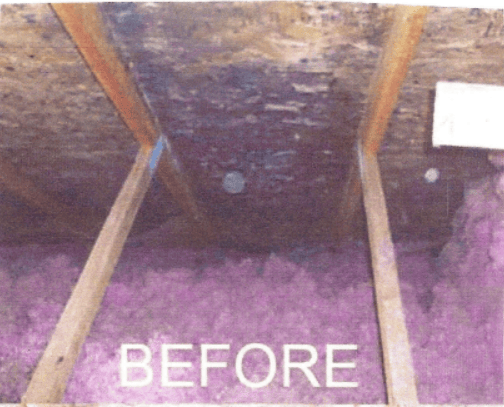
The concern wasn't the home's value. It was buyer uncertainty surrounding the attic.
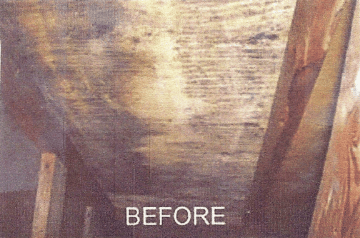
Buyer feedback consistently pointed to uncertainty surrounding the attic—not the home's price, location, or overall appeal. Understanding that pattern changed the strategy.
The attic.
The older roof.
Questions buyers couldn't answer for themselves.
Those questions quietly chipped away at their confidence.
Once we recognized the pattern, the strategy became clear.
We hired a mold remediation specialist to evaluate the attic.
The seller completed the recommended remediation.
We documented everything.
We provided receipts.
We shared before-and-after photos.
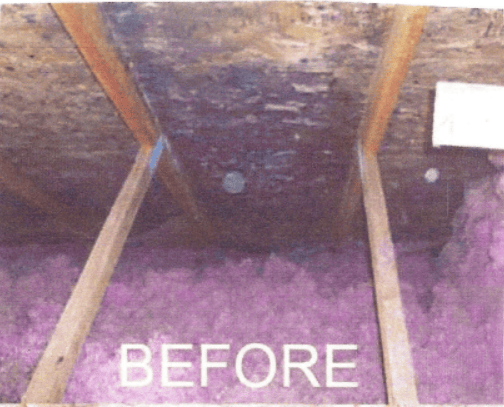
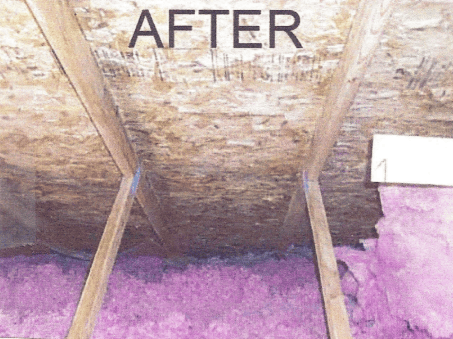
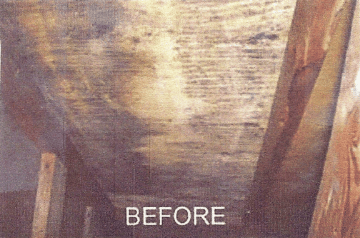

Addressing buyer concerns wasn't about hiding a problem. It was about creating confidence through transparency and professional remediation.
We didn't try to hide the concern.
We removed the uncertainty.
Documentation Provided to Buyers
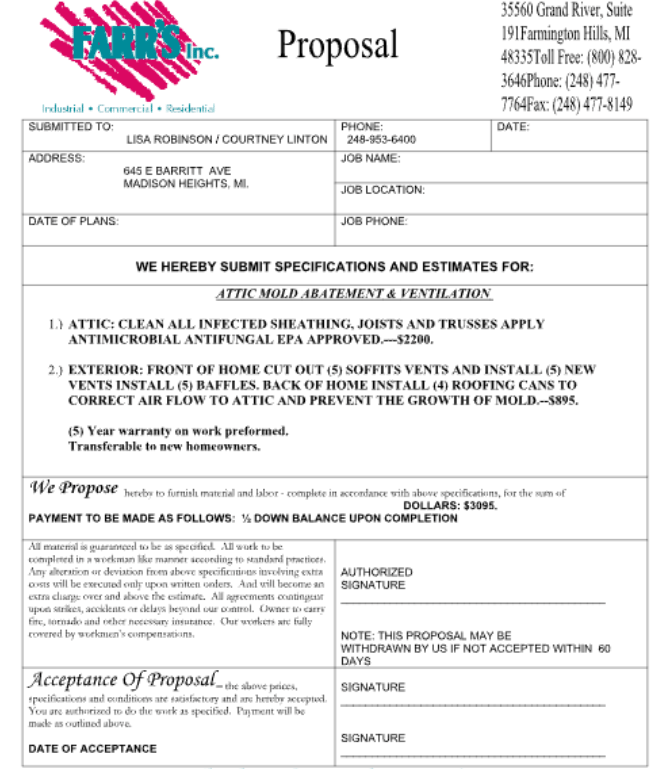
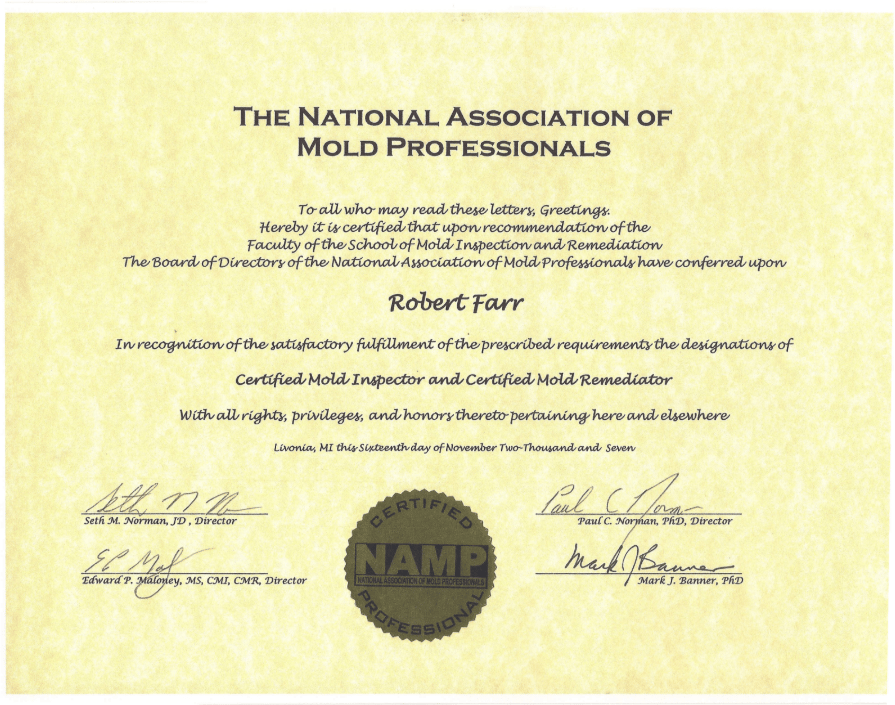
Providing professional documentation helped remove uncertainty and gave buyers confidence that the concern had been addressed.
Once buyer uncertainty was addressed, the market responded. The home received four more offers, including an emotionally connected buyer who ultimately purchased the property for $10,000 over asking price.
The home returned to the market.
Within three days...
Four more offers.
Again.
One buyer became emotionally connected to the home.
She increased her offer to $170,000—$10,000 over asking.
"The house hadn't changed. Buyer confidence had."
That listing reminded me that buyers don't need a perfect house. They need enough confidence to say, "This feels right."
Buyers Tell Me More With Their Body Language Than Their Words
One advantage of walking through hundreds of homes with buyers is learning to notice what isn't being said.
I've learned not to listen only to the words.
I watch the pace.
The conversations.
The excitement.
The silence.
Buyers who have already decided "no" rarely announce it.
They become quieter.
They stop asking questions.
They move through the house without curiosity.
They begin looking at the next property before we've even left the driveway.
On the other hand...
When a home feels right...
Everything changes.
They slow down.
They open closets.
They stand at the kitchen island a little longer.
They walk into the backyard and start imagining where the grill might go.
Without realizing it, they've stopped touring a house and started imagining a life.
That's the moment I pay attention to.
Because that's where offers begin.
The Biggest Mistake Sellers Make
The biggest mistake sellers make is assuming buyers are rejecting the house.
Most aren't.
They're reacting to something that interrupted the experience.
Maybe the online photos created expectations the home couldn't deliver.
Maybe deferred maintenance created uncertainty.
Maybe the layout felt different than expected.
Maybe the home simply never created an emotional connection.
Every buyer is different.
Every home is different.
But one thing rarely changes.
The market leaves clues.
As discussed in Before You Reduce Your Price Again: 5 Questions Every Seller Should Ask, those clues deserve to be understood before making another price reduction.
The goal isn't to guess.
The goal is to understand what buyers are telling us.
That's exactly why reducing the price isn't always the answer, as explained in Why Some Price Reductions Don't Work.
Final Thoughts
After helping buyers purchase homes for more than a decade, I've become convinced of one thing.
Buyers don't make offers because they found the newest kitchen, the biggest backyard, or the lowest price.
They make offers because something about the home feels right.
They trust what they're seeing.
They believe the home has been cared for.
They can picture themselves building a life there.
And they feel confident taking the next step.
If your home isn't getting offers, don't assume buyers aren't interested.
Ask a better question.
What is preventing buyers from saying yes?
The answer to that question often changes everything.
Frequently Asked Questions
Why do buyers look at my house but never make an offer?
Buyers often decide against writing an offer before price negotiations begin. Confidence, emotional connection, presentation, and trust all influence whether buyers decide to move forward.
How quickly do buyers decide if they like a house?
Many buyers form a strong first impression within moments of arriving and walking through the front door. That first impression often shapes the rest of the showing.
Do buyers really notice small details?
Yes. Buyers notice cleanliness, lighting, maintenance, room flow, and whether a home feels cared for. Those details influence confidence, even if buyers never mention them directly.
Does staging help buyers make an offer?
Thoughtful presentation helps buyers imagine themselves living in the home. The goal isn't perfection—it's creating an environment where buyers feel comfortable, connected, and confident.
Is price always the reason buyers don't make an offer?
No. Price is only one part of the decision. Buyer confidence, emotional connection, and the overall experience of the home often influence whether buyers move forward.
About Lisa A. Mills
Lisa A. Mills | Signature by Lisa
National Realty Centers Powered by JMG
Serving Royal Oak, Birmingham, Berkley, Clawson, Madison Heights, Hazel Park, Beverly Hills, Bloomfield Hills, and surrounding Metro Detroit communities.
Known as "The calm strategist when life shifts," Lisa helps sellers understand buyer behavior, interpret market feedback, and position their homes to create stronger buyer confidence and better selling outcomes.
Real estate isn't just about putting a home on the market. It's about understanding how buyers make decisions—and removing the barriers that prevent them from moving forward.