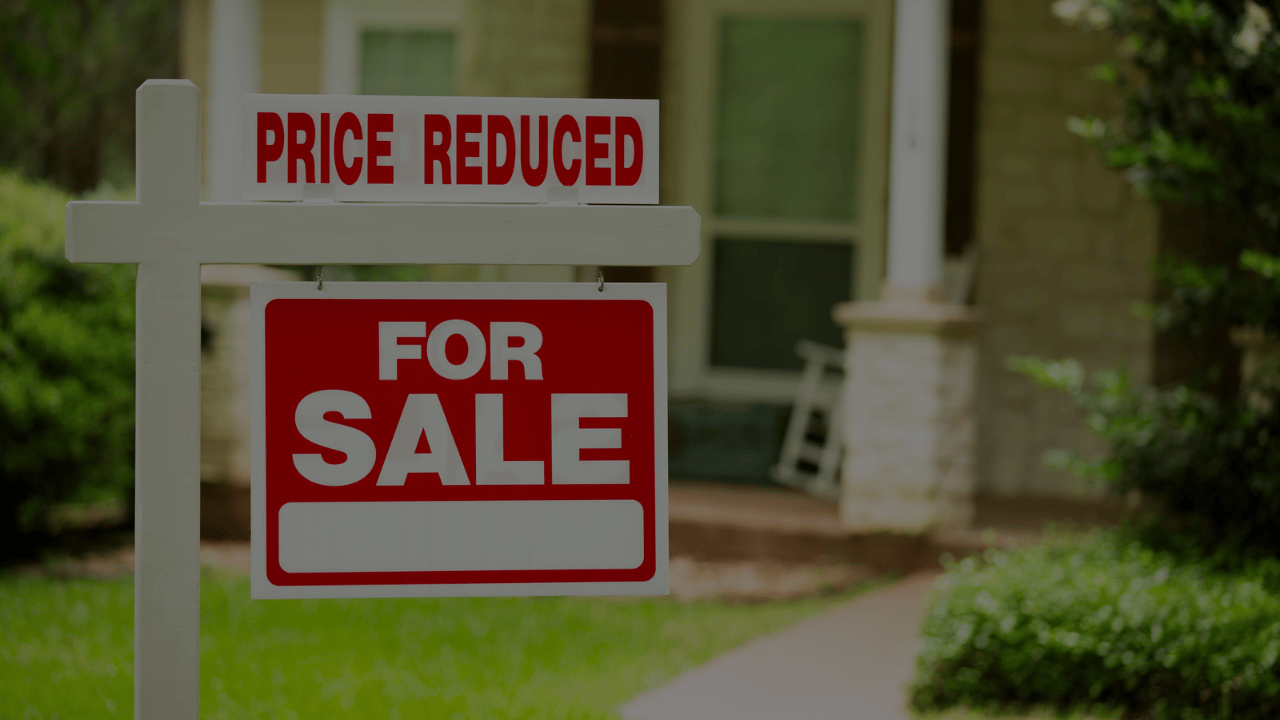
Your Realtor recommends reducing the price.
You agree.
The price is adjusted.
Then you wait.
And wait.
But the activity never really changes.
Showings don't increase.
Buyers don't suddenly appear.
Offers don't start coming in.
Now you're wondering:
Why didn't the price reduction work?
Many sellers assume lowering the price automatically creates new buyer interest.
Sometimes it does.
Sometimes it doesn't.
The reason is simple.
Not every stale listing has a price problem.
Some have a buyer confidence problem.
Some have a presentation problem.
Some have a positioning problem.
And some have simply lost momentum.
Understanding the difference can help sellers avoid giving up equity without addressing the real issue.
If you're currently considering a price reduction, you may also find Before You Reduce Your Price Again: 5 Questions Every Seller Should Ask helpful. In that article, I walk through the questions sellers should ask before making another pricing decision.
Quick Answer
Why Don't Some Price Reductions Work?
Because buyers may not have been responding to the price in the first place.
If buyers are hesitating because of presentation, positioning, trust, or listing momentum, reducing the price alone may not solve the problem.
That is why understanding buyer behavior matters.
Sellers Often Assume Price Is The Problem
When a home sits on the market, price naturally becomes the first conversation.
That's understandable.
Price is easy to adjust.
Price is visible.
Price feels measurable.
But buyers don't evaluate homes based on price alone.
They evaluate confidence.
Every buyer is asking some version of the same question:
Is this home worth pursuing?
If the answer is yes, buyers often move forward.
If the answer is no, they move on.
The challenge is that buyers rarely tell sellers why they moved on.
Instead, sellers see silence.
And silence often gets interpreted as a pricing issue.
Sometimes that interpretation is correct.
Sometimes it isn't.
As discussed in Your Realtor Says Reduce the Price. Should You?, identifying whether sellers have a price problem or a listing problem is often the most important step before making another reduction.
What Buyers Are Actually Responding To
Most buyers experience a home online before they experience it in person.
That means they are evaluating much more than price.
They are evaluating:
-
photography
-
presentation
-
condition
-
layout
-
natural light
-
maintenance
-
cleanliness
-
overall buyer experience
Before buyers calculate monthly payments, they are already deciding how they feel about a home.
This is where many sellers get stuck.
The home may be reasonably priced.
The issue may be that buyers never connected with the listing itself.
The Difference Between Looking And Engaging
A buyer may see a listing.
That does not mean they connected with it.
A buyer may scroll past a listing.
That does not mean they considered it.
A buyer may receive the listing in an email.
That does not mean they became interested.
Engagement happens when buyers:
-
save the listing
-
revisit the listing
-
compare it against other homes
-
schedule a showing
-
discuss it with family
-
begin imagining themselves living there
That is very different than simply seeing a listing.
This is one reason why The Complete Home Selling Strategy in Royal Oak and Birmingham focuses heavily on preparation, presentation, positioning, and exposure working together.
Exposure alone does not create momentum.
Windemere Street Case Study – Royal Oak
One Royal Oak home I sold on Windemere Street illustrates this perfectly.
The home had previously been listed with another agent.
The market stopped responding.
Showings slowed.
Momentum faded.
Like many sellers, it would have been easy to assume the solution was another price reduction.
Instead, we evaluated how buyers were experiencing the home.
The property was repositioned through:
-
staging
-
decluttering
-
photography improvements
-
stronger presentation
-
improved buyer experience
As a Realtor serving the Woodward Corridor, I have seen firsthand how buyer behavior changes once a listing becomes stale.
If you're considering a move to the area, you may also enjoy learning more about living in Royal Oak, one of Metro Detroit's most sought-after communities.
BEFORE Staging

AFTER Staging

Before and after listing repositioning on a Royal Oak home on Windemere Street. The goal wasn't to change the home. The goal was to change how buyers experienced it online.
The home itself had not changed.
The square footage was the same.
The location was the same.
The features were the same.
What changed was the buyer experience.
Buyers didn't suddenly discover a different house.
They simply experienced the same home differently.
The result was stronger engagement, increased showing activity, and renewed momentum.
The home ultimately sold in two days.
That outcome wasn't driven solely by price.
It was driven by buyer confidence.
Why Price Reductions Sometimes Fail
Price reductions can absolutely work.
But only when price is the primary obstacle.
If buyers are already viewing the home, scheduling showings, and comparing it against competing properties, a price adjustment may help move the decision forward.
However, when buyers are not engaging at all, another issue may be creating hesitation.
For example:
-
Poor photography
-
Cluttered presentation
-
Lack of staging
-
Confusing room layouts
-
Weak marketing assets
-
Limited emotional connection
-
Loss of listing momentum
Reducing the price does not automatically solve those problems.
In some situations, sellers reduce the price while leaving the underlying issue untouched.
The result is often disappointing.
The listing becomes less expensive, but buyer behavior remains unchanged.
When A Price Reduction Makes Sense
There are certainly times when reducing the price is the right decision.
Examples include:
-
Market conditions have changed.
-
Competing homes offer stronger value.
-
Buyer feedback consistently points to pricing concerns.
-
The home was initially positioned above market expectations.
The key is understanding why buyers stopped responding before making another adjustment.
Price should be one part of the conversation.
Not the entire conversation.
This is where listing repositioning becomes valuable.
Rather than focusing exclusively on price, sellers can evaluate how buyers are experiencing the home as a whole.
Listing Repositioning Versus Price Reduction
A price reduction changes a number.
Listing repositioning changes perception.
The goal is not simply to attract attention.
The goal is to create confidence.
Listing repositioning may include:
-
staging
-
decluttering
-
updated photography
-
improved presentation
-
revised positioning
-
stronger marketing assets
-
enhanced buyer experience
When buyers feel confident, they engage differently.
They save listings.
They schedule showings.
They revisit photos.
They begin imagining themselves living in the home.
That emotional connection often matters more than sellers realize.
If you're evaluating different approaches to selling, you may also find Can I Sell My Home for a 1.5% Commission? What Sellers Should Know helpful. Understanding what services are included can help sellers evaluate the overall strategy rather than focusing solely on commission or price.
Similarly, sellers comparing different service models may benefit from reading Full-Service Realtor vs Discount Realtor: What's Actually Included?, which explores how preparation, presentation, and marketing can influence outcomes.
For sellers considering handling the process themselves, FSBO vs Hiring a Realtor in 2026 provides a detailed comparison of costs, risks, and responsibilities.
Final Thoughts
Reducing the price is sometimes the right move.
Sometimes it isn't.
A price reduction can solve a pricing problem.
It cannot always solve a positioning problem.
It cannot automatically solve a presentation problem.
And it cannot instantly restore buyer confidence if buyers stopped responding for other reasons.
Before making another reduction, take time to understand why buyers stopped engaging in the first place.
Did they reject the price?
Or did they stop connecting with the listing?
Those are two very different problems.
And they often require two very different solutions.
The goal isn't simply to lower the price.
The goal is to create confidence.
The goal is to create engagement.
The goal is to create momentum.
And momentum is often what creates the strongest outcomes for sellers.
Frequently Asked Questions
Why don't some price reductions work?
Because buyers may not have been responding to the price in the first place. Presentation, positioning, buyer confidence, and listing momentum can all influence buyer behavior.
How much should I reduce my home's price?
There is no universal answer. The right adjustment depends on market conditions, buyer feedback, competing inventory, and the overall selling strategy.
Can a stale listing recover without a price reduction?
Yes. Some homes regain momentum through staging, presentation improvements, updated photography, stronger positioning, and listing repositioning.
What is listing repositioning?
Listing repositioning focuses on improving how buyers experience a home through presentation, marketing, photography, staging, and overall buyer confidence.
Do buyers notice multiple price reductions?
Yes. Multiple reductions can change buyer perception and sometimes create additional questions about the property.
How do I know if my home has a pricing problem?
Consistent buyer feedback, strong showing activity without offers, and comparisons to competing homes may indicate pricing concerns.
About Lisa A. Mills
Lisa A. Mills | Signature by Lisa
National Realty Centers Powered by JMG
Serving Royal Oak, Birmingham, Berkley, Clawson, Madison Heights, Hazel Park, Beverly Hills, Bloomfield Hills, and surrounding Metro Detroit communities.
Known as "The calm strategist when life shifts," Lisa helps sellers make confident real estate decisions through preparation, positioning, buyer psychology, strategic marketing, and listing repositioning designed to create stronger outcomes.
Real estate decisions are rarely just about the home. They are about timing, direction, and what comes next. Having clarity in those moments is what creates better decisions and stronger results.