Can a Stale Listing Be Saved?
Your home has been on the market for weeks.
Maybe months.
Showings have slowed.
Online activity feels quiet.
Buyers who once seemed interested have disappeared.
At some point, many sellers begin asking the same question:
Can this listing actually be saved?
The short answer is yes.
But not every stale listing needs the same solution.
Some homes need a pricing adjustment.
Some need stronger presentation.
Some need improved buyer engagement.
Some need a completely different strategy.
The key is understanding why buyers stopped responding in the first place.
What Is a Stale Listing?
A stale listing is a home that has been on the market long enough for buyer activity, showing requests, and online engagement to noticeably decline.
It does not always mean the home is bad.
It does not always mean the seller did something wrong.
It means the market has stopped responding with the same level of interest.
Common signs of a stale listing include:
fewer showing requests
fewer online saves
fewer buyer inquiries
increased days on market
repeated price reduction conversations
buyers asking why the home has not sold
Once a listing becomes stale, buyer perception can change.
That is why understanding the cause matters before deciding what to do next.
The Short Answer: Yes
Many sellers assume a stale listing is a failed listing.
That simply isn't true.
I've seen homes regain momentum after weeks of inactivity.
I've seen homes receive multiple offers after being overlooked.
I've seen sellers go from frustration and uncertainty to a successful closing.
The challenge isn't determining whether a stale listing can be saved.
The challenge is determining why it became stale.
Because until you identify the real problem, it's difficult to choose the right solution.
As discussed in Why Your Home Isn't Selling: Understanding Listing Repositioning, the issue is often more complex than simply lowering the price.
Why Listings Become Stale
A stale listing doesn't happen overnight.
It usually happens gradually.
The listing launches.
Activity feels encouraging.
Buyers schedule showings.
Sellers feel optimistic.
Then activity slows.
Days on market increase.
Questions begin.
What happened?
The answer varies from property to property, but common causes include:
Buyer hesitation
Weak presentation
Pricing misalignment
Lack of buyer engagement
Limited buyer confidence
Competition from newer listings
Many sellers assume price is the only factor.
Sometimes it is.
But not always.
As discussed in Before You Reduce Your Home Price: 5 Questions Every Seller Should Ask, understanding buyer behavior is often more valuable than immediately making another reduction.
Not Every Stale Listing Has the Same Problem
This is where many sellers get stuck.
They assume every stale listing should be treated the same way.
Reduce the price.
Relist the home.
Wait for new buyers.
Unfortunately, real estate rarely works that simply.
Some stale listings have a pricing problem.
Others have a presentation problem.
Others have a buyer experience problem.
And some listings struggle because buyers see the home but never truly connect with it.
As discussed in Why Your House Is Getting Views But No Offers, there is a significant difference between exposure, engagement, and connection.
Exposure means:
"I saw it."
Engagement means:
"I want to see it."
Connection means:
"I can see myself living there."
That's where offers live.
Understanding where buyers are falling out of that process is often the first step toward restoring momentum.
The Four Most Common Reasons Stale Listings Struggle
Most stale listings struggle for one of four reasons.
Price
Sometimes the home is priced above what buyers are willing to pay based on condition, location, competition, or market timing.
Presentation
Sometimes buyers are not responding because the home does not feel inviting, clear, or easy to understand online or in person.
Positioning
Sometimes the home is not being framed around its strongest features, so buyers miss what makes the property valuable.
Buyer Connection
Sometimes buyers see the home but never reach the point where they say, "I can see myself living there."
That is where offers live.
Windemere Street Case Study – Royal Oak
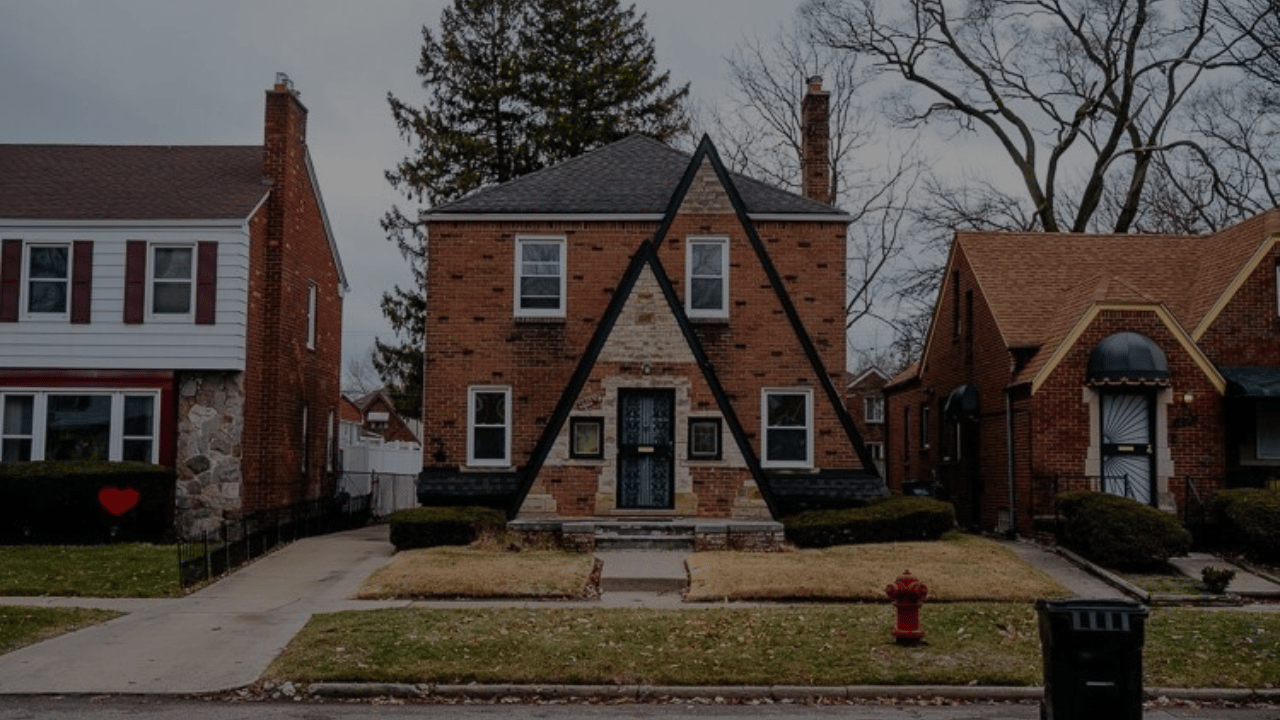
One Royal Oak home I sold on Windemere Street demonstrates why stale listings should be evaluated before drastic changes are made.
The home had previously been listed with another agent.
Buyers could find it online.
The listing had exposure.
Yet momentum had stalled.
The home wasn't attracting the level of buyer response the sellers hoped for.
The easy solution would have been another price reduction.
Instead, we stepped back and evaluated how buyers were experiencing the property.
We asked:
What are buyers seeing?
What are buyers feeling?
What is creating hesitation?
What are the home's strongest features?
The answers led us in a very different direction.
Rather than immediately reducing the price, we focused on repositioning the listing.
BEFORE Staging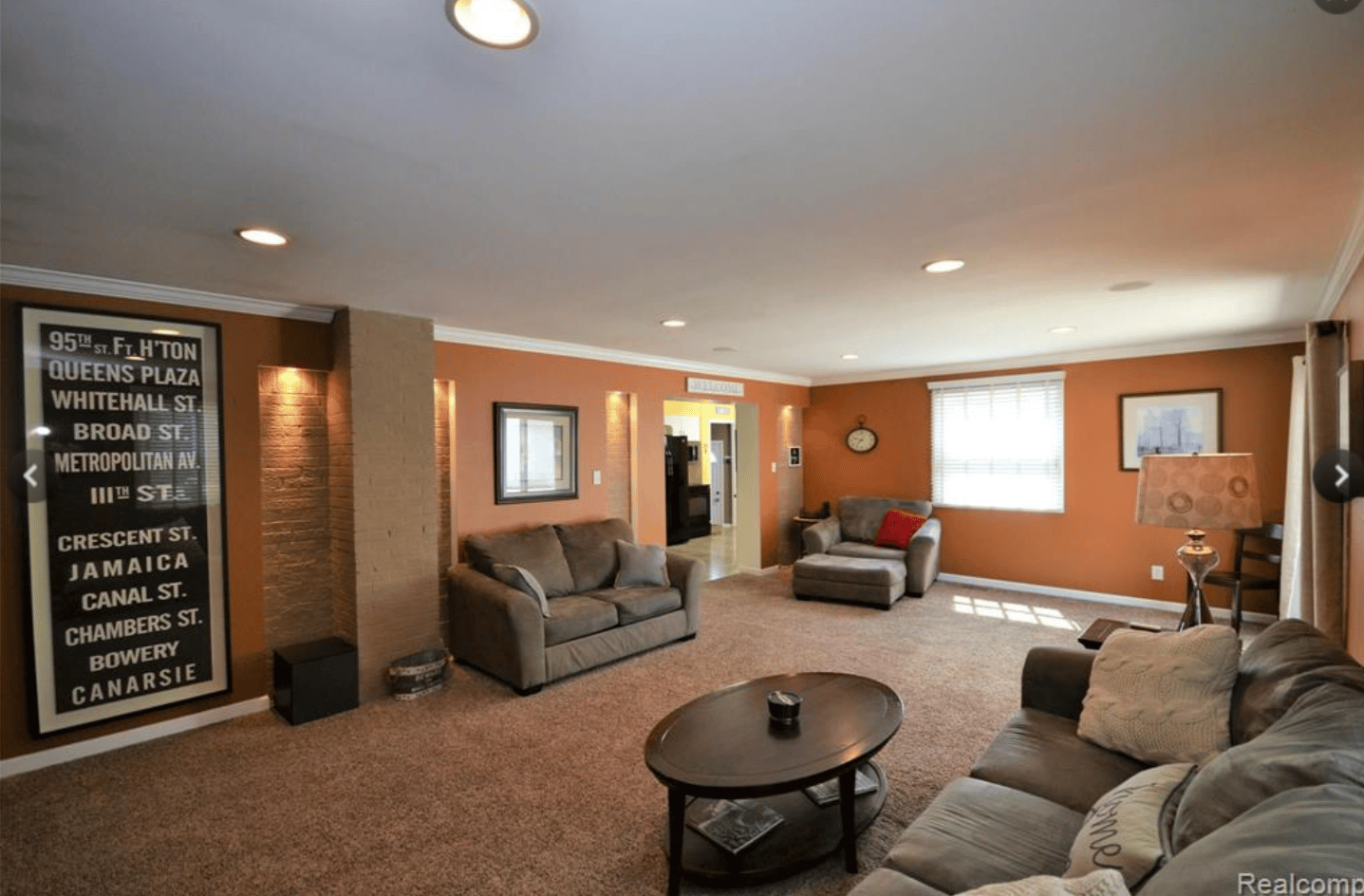
AFTER Staging

The goal wasn't changing the home. The goal was improving how buyers experienced the home.
VIDEO TOUR
This video highlights how presentation, flow, and buyer experience can influence engagement and momentum.
The repositioning strategy included:
Decluttering
Furniture adjustments using the seller's existing furnishings
Improved room flow
Added area rugs to better define spaces
Fresh flowers throughout the home
Professional photography focused on buyer experience
A video walkthrough highlighting the home's strongest features
The home itself didn't change.
The way buyers experienced the home changed.
The result?
The property sold in two days and closed for $11,000 over asking price.
That is why I believe many stale listings can be saved.
Not because the home suddenly becomes better.
Because buyers begin experiencing the home differently.
For sellers considering a move in the area, you can also learn more about Royal Oak and why it remains one of Metro Detroit's most desirable communities.
What Successful Listing Repositioning Actually Looks Like
One of the biggest misconceptions sellers have is believing repositioning means withdrawing the home from the market and relisting it.
That's not necessarily true.
Successful repositioning often begins by evaluating:
Buyer feedback
Buyer behavior
Presentation
Photography
Pricing strategy
Online engagement
Showing activity
Buyer confidence
The goal is identifying why buyers stopped responding.
As discussed in Why Some Price Reductions Don't Work When Selling Your Home, reducing the price without understanding the underlying issue can leave sellers frustrated and no closer to a successful sale.
In many cases, repositioning allows sellers to solve the actual problem rather than simply reacting to the symptom.
When Relisting Makes Sense
There are situations where withdrawing and relisting a property may make sense.
Examples include:
Significant improvements to the home
Major changes in market conditions
Extended time off market
New positioning strategy
Substantial pricing adjustments
However, relisting alone does not guarantee better results.
A new MLS number doesn't automatically create buyer connection.
A relaunch works best when there is a meaningful reason for buyers to view the property differently than they did before.
We'll explore this concept more deeply in Should You Relist Your Home or Reposition It?
Why Understanding Buyer Behavior Matters
Many sellers focus on what they think buyers should notice.
Buyers often focus on something completely different.
They are evaluating:
Trust
Comfort
Confidence
Flow
Functionality
Emotional connection
This is why understanding buyer behavior matters so much.
A home can have exposure.
A home can have views.
A home can even have showings.
But if buyers never reach the point where they say:
"I can see myself living here,"
offers become far less likely.
Understanding how buyers make decisions is often more valuable than making another quick change to the listing.
Final Thoughts
Can a stale listing be saved?
In many cases, yes.
But saving a stale listing is rarely about finding one magic solution.
It's about understanding why buyers stopped responding.
Sometimes the issue is price.
Sometimes the issue is presentation.
Sometimes the issue is buyer engagement.
Sometimes the issue is positioning.
The goal isn't simply to make changes.
The goal is to create momentum again.
Because when buyers reconnect with a home, opportunities often follow.
Frequently Asked Questions
What is a stale listing?
A stale listing is a home that has been on the market long enough for buyer activity, showing requests, and online engagement to noticeably decline.
Can a stale listing really be saved?
Yes. Many stale listings regain momentum after improvements to presentation, pricing, buyer engagement, or overall positioning.
How long before a listing becomes stale?
There is no exact timeline. A listing often becomes stale when buyer activity, showing requests, and engagement begin declining significantly.
Should I reduce the price on a stale listing?
Not always. Understanding why buyers stopped responding should come before deciding whether a price reduction is necessary.
Is relisting the same as repositioning?
No. Relisting creates a new market entry. Repositioning focuses on improving buyer response through presentation, pricing, engagement, and strategy.
Can staging help a stale listing?
Yes. Strategic staging and presentation improvements can help buyers connect emotionally with a home and increase engagement.
What is the most common reason a listing becomes stale?
The most common reasons include pricing issues, weak presentation, limited buyer engagement, and loss of market momentum.
About Lisa A. Mills
Lisa A. Mills | Signature by Lisa
National Realty Centers Powered by JMG
Serving Royal Oak, Birmingham, Clawson, Berkley, Ferndale, Madison Heights, Hazel Park, Bloomfield Hills, Beverly Hills, and surrounding Metro Detroit communities.
Known as "The calm strategist when life shifts," Lisa focuses on helping sellers make confident decisions through preparation, positioning, buyer psychology, and listing strategies designed to create stronger outcomes.
Real estate decisions are rarely just about the home. They are about timing, direction, and what comes next. Having clarity in those moments is what creates stronger outcomes.