Your home is on the market.
The first few days felt promising.
A few showings came through.
Buyers viewed the listing online.
Friends and family asked if it had sold yet.
Then something changed.
The activity slowed.
Showings became less frequent.
Online engagement dropped.
Weeks passed.
Now you're wondering:
Why isn't my home selling?
For many sellers, the first answer they hear is:
"Let's reduce the price."
Sometimes that's the right solution.
Sometimes it isn't.
As discussed in Your Realtor Says Reduce the Price. Should You?, not every stale listing has a pricing problem.
Some have a buyer confidence problem.
Some have a presentation problem.
Some have a positioning problem.
And some have simply lost momentum.
Before reducing the price again, it is important to understand why buyers stopped responding in the first place.
That is where listing repositioning comes in.
Quick Answer
What Is Listing Repositioning?
Listing repositioning is the process of understanding why buyers stopped responding to a home and improving how buyers experience the property before relying solely on another price reduction.
The goal is not simply to create more exposure.
The goal is to create more buyer confidence.
Why Most Stale Listings Are Misdiagnosed
When a home isn't selling, sellers often hear the same explanations:
-
The price is too high.
-
The market is slow.
-
Buyers aren't looking.
-
We need more marketing.
Sometimes those explanations are accurate.
Sometimes they aren't.
The challenge is that many stale listings are diagnosed before anyone truly understands what buyers are experiencing.
A home may have excellent features.
A desirable location.
A reasonable price.
And still struggle to gain traction.
Why?
Because buyers experience homes emotionally before they evaluate them logically.
Before they compare price per square foot.
Before they review property taxes.
Before they calculate mortgage payments.
They are asking themselves:
-
Does this home feel cared for?
-
Can I picture myself living here?
-
Does this feel overwhelming?
-
Am I excited about this home?
-
Why am I hesitating?
Those questions influence buyer behavior more than many sellers realize.
Listing Repositioning Is Not Relisting
One of the biggest misconceptions sellers have is confusing repositioning with relisting.
They are not the same thing.
Relisting often looks like:
-
canceling the listing
-
withdrawing from the market
-
waiting for the listing to expire
-
entering a new MLS number
-
reducing the price
-
hoping for a different result
That is not listing repositioning.
Listing repositioning is a deeper process.
It involves understanding why buyers stopped responding and making strategic adjustments to improve how buyers experience the home.
The goal is not to trick buyers.
The goal is to remove hesitation.
The Signature by Lisa Repositioning Framework
Over the years, I've found that most stale listings can benefit from evaluating five key areas.
Step 1: Analyze Buyer Behavior
The first step is understanding what buyers are actually doing.
Are they scheduling showings?
Are they saving the listing?
Are they viewing the property online but not taking the next step?
As explored in Why Some Price Reductions Don't Work, buyer behavior often provides clues about whether the issue is pricing, presentation, positioning, or buyer confidence.
Before changing anything, it is important to understand where buyers are disengaging.
Step 2: Experience The Home Like A Buyer
This is where many sellers gain valuable insight.
When I walk a home, I'm not looking at it as the owner.
I'm looking at it as a buyer.
What do I see?
What do I smell?
What do I notice first?
What feels inviting?
What feels distracting?
What creates hesitation?
Every detail contributes to the buyer experience.
Step 3: Identify The Home's Strongest Features
Every home has strengths.
The challenge is making sure buyers recognize them.
Sometimes the most important features are hidden behind clutter, furniture placement, poor photography, or weak positioning.
The goal is identifying what buyers should remember after viewing the home.
Because buyers rarely remember everything.
They remember how the home made them feel.
Step 4: Improve Buyer Connection
This is often where the biggest transformation happens.
Many sellers assume staging is about decorating.
It isn't.
Staging is about helping buyers understand how a home lives.
Furniture placement can improve flow.
Decluttering can make rooms feel larger.
Area rugs can define spaces.
Fresh flowers can make a home feel welcoming.
Small adjustments often help buyers focus on the home rather than distractions.
The goal is not perfection.
The goal is connection.
As discussed in Before You Reduce Your Price Again: 5 Questions Every Seller Should Ask, sellers should evaluate how buyers are experiencing the home before assuming another price reduction is necessary.
BEFORE Staging

AFTER Staging

BEFORE Staging

AFTER Staging

Small changes in furniture placement, flow, and presentation helped buyers experience the home differently. The goal wasn't decorating. The goal was creating buyer connection.
Step 5: Reposition The Story
Once the home is prepared, the story must be repositioned.
This is where photography, video, pricing, and marketing come together.
The strongest features of the home should be highlighted.
The buyer experience should be communicated online.
The goal is not simply to get more people to see the home.
The goal is to help the right buyers connect with it.
This is also why I believe preparation, presentation, positioning, and exposure must work together. In my Complete Home Selling Strategy in Royal Oak and Birmingham, I explain how each of these pieces contributes to stronger buyer engagement and better outcomes for sellers.
Windemere Street Case Study – Royal Oak
One of my favorite examples of listing repositioning happened on Windemere Street in Royal Oak.
The home had previously been listed with another agent.
The market stopped responding.
Momentum slowed.
Like many sellers facing a stale listing, it would have been easy to assume the answer was simply another price reduction.
Instead, we took a step back and evaluated the buyer experience.
The home itself was solid.
It featured a finished basement, an oversized two-car garage, and great overall functionality.
The issue wasn't the house.
The issue was how buyers were experiencing it.
We decluttered.
We rearranged furniture using the seller's existing pieces.
We created conversational seating areas.
I borrowed area rugs from a local business owner to help define spaces.
Fresh flowers were added throughout the home.
Professional photography highlighted the flow and functionality of each room.
We created a video walkthrough that took buyers from the front exterior through the home and out to the backyard.
Most importantly, we aligned the pricing with current market expectations.
The home didn't change.
The way buyers experienced it changed.
BEFORE Staging
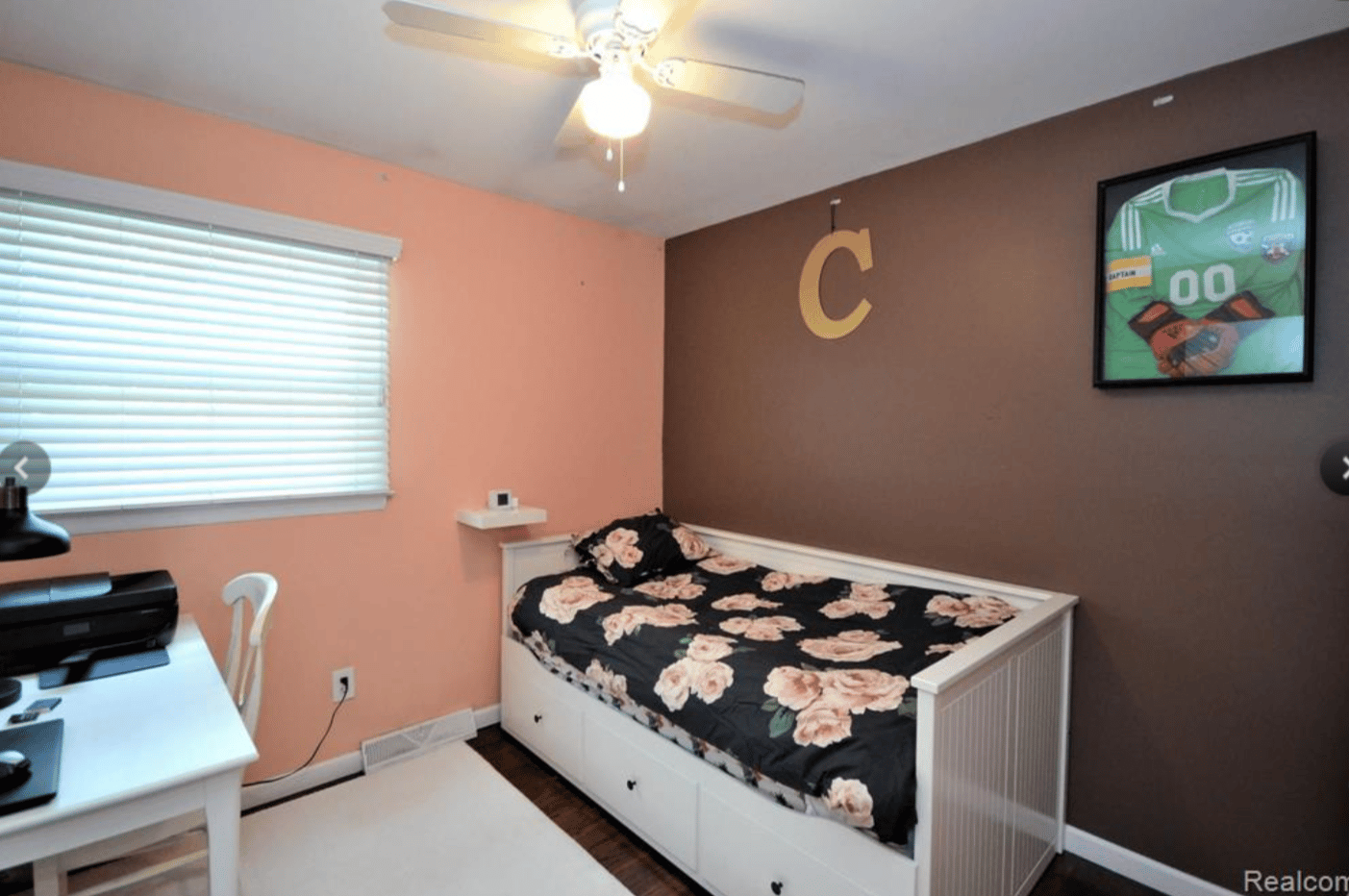
AFTER Staging
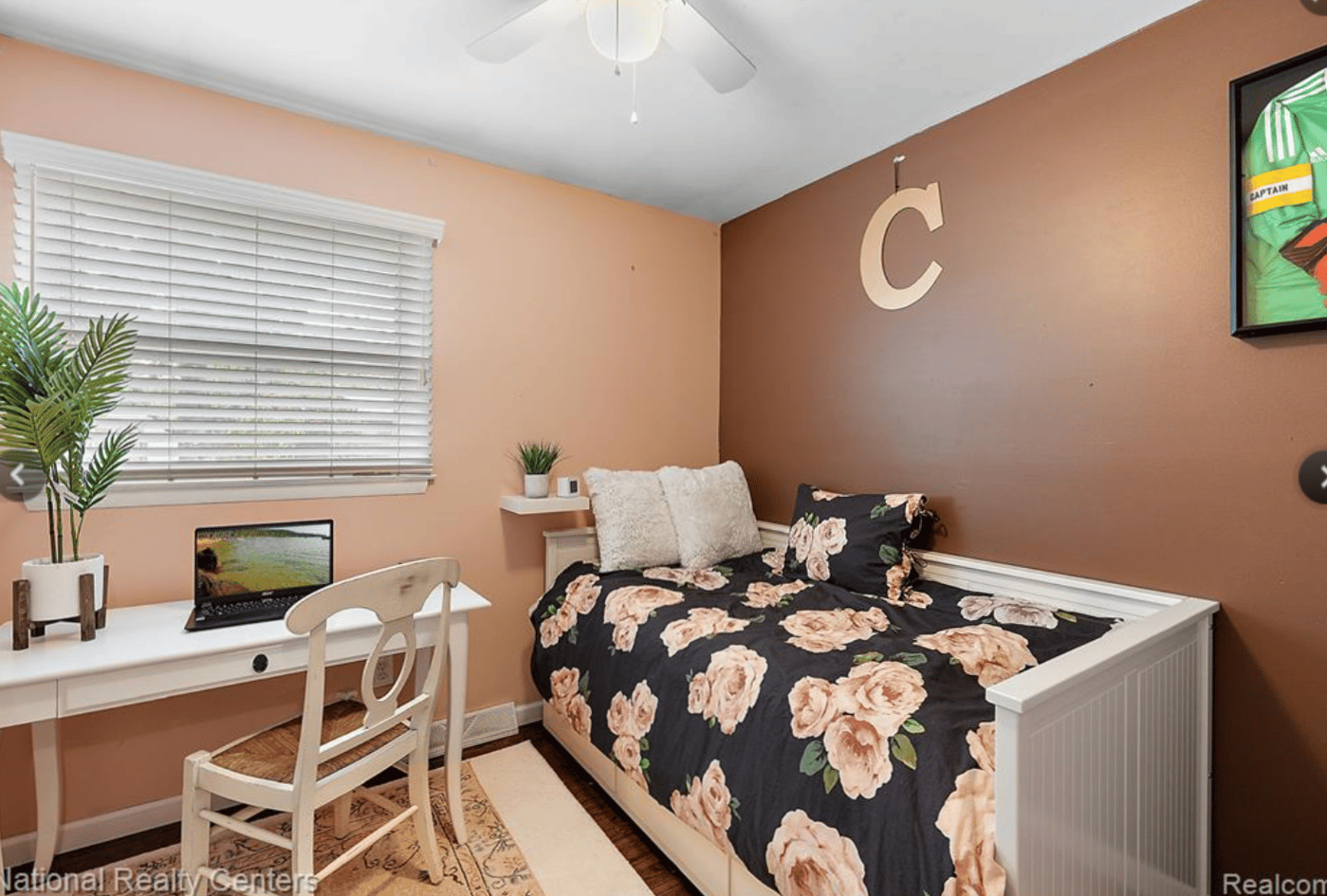
Listing repositioning focused on improving buyer experience through decluttering, presentation, furniture placement, photography, and strategic positioning
The goal wasn't to change the home. The goal was to change how buyers experienced it.
As a Realtor serving Royal Oak and surrounding Metro Detroit communities, I've seen firsthand how buyer confidence changes when a home is positioned correctly.
The result?
The home sold in two days and closed for $11,000 over asking price.
That is listing repositioning.
Why Listing Repositioning Works
Listing repositioning works because buyers make decisions based on confidence.
When buyers feel uncertain, they hesitate.
When buyers hesitate, momentum slows.
When momentum slows, listings become stale.
Listing repositioning helps restore confidence by improving how buyers experience the property.
It helps answer the questions buyers may never ask out loud.
It helps remove hesitation.
And it helps create stronger engagement.
As you'll see in my upcoming article, The Difference Between Exposure and Buyer Engagement, visibility alone does not create momentum.
Buyer connection creates momentum.
Final Thoughts
If your home isn't selling, it may not mean the home is undesirable.
It may not mean the market is impossible.
And it may not automatically mean another price reduction is the answer.
Sometimes buyers simply aren't experiencing the home in a way that creates confidence.
Listing repositioning is the process of understanding why buyers stopped responding and making strategic improvements that help buyers connect with the property.
The home doesn't always need more marketing.
Sometimes the home needs buyers to experience it differently.
Frequently Asked Questions
What is listing repositioning?
Listing repositioning is the process of analyzing buyer behavior, improving buyer experience, and strategically presenting a home to create stronger buyer confidence and engagement.
Is listing repositioning the same as relisting?
No. Relisting typically involves canceling or withdrawing a listing and entering it back into the MLS. Listing repositioning focuses on improving how buyers experience the home.
Can a stale listing be saved?
Often, yes. Some stale listings benefit from improvements in presentation, positioning, pricing, and buyer experience before another reduction is considered.
Does listing repositioning always require staging?
Not always. The goal is creating buyer connection, which may involve decluttering, furniture adjustments, photography improvements, or other strategic changes.
Does listing repositioning mean reducing the price?
Not necessarily. Sometimes pricing is part of the solution. Other times the issue involves presentation, positioning, or buyer confidence.
How do I know if my home needs repositioning?
If showings have slowed, buyer engagement has dropped, and the market has stopped responding, repositioning may be worth evaluating.
About Lisa A. Mills
Lisa A. Mills | Signature by Lisa
National Realty Centers Powered by JMG
Serving Royal Oak, Birmingham, Berkley, Clawson, Madison Heights, Hazel Park, Beverly Hills, Bloomfield Hills, and surrounding Metro Detroit communities.
Known as "The calm strategist when life shifts," Lisa helps sellers make confident real estate decisions through preparation, positioning, buyer psychology, strategic marketing, and listing repositioning designed to create stronger outcomes.
Real estate decisions are rarely just about the home. They are about timing, direction, and what comes next. Having clarity in those moments is what creates better decisions and stronger results.