
Your home has been on the market for several weeks.
Showings have slowed.
Online activity feels quieter than it did when the home first launched.
The excitement of listing day has started to fade.
Now your Realtor is recommending a price reduction.
Should you do it?
Sometimes the answer is yes.
But before reducing your home's price again, it's important to understand why buyers stopped responding in the first place.
Because not every home that sits on the market has a price problem.
Some have a listing problem.
Some have a buyer experience problem.
Some have lost momentum.
And some need to be repositioned before another price reduction is considered.
Understanding the difference can help sellers make better decisions and potentially avoid giving up equity before identifying the real issue.
If you're currently having this conversation, you may also find this article helpful:
READ THE FULL ARTICLE: Your Realtor Says Reduce the Price. Should You?
Should You Reduce Your Home's Price?
Short Answer: Not Necessarily.
A price reduction may be the right move.
But before lowering your asking price, it's important to understand why buyers stopped responding.
Sometimes buyers reject the price.
Sometimes buyers stop responding because the listing has lost momentum.
Sometimes buyers never connected with the presentation.
Sometimes hesitation has nothing to do with price at all.
Understanding the difference is often more valuable than making another reduction.
What Is Listing Repositioning?
Listing repositioning is the process of improving how buyers experience a home before relying solely on additional price reductions.
This may include:
-
staging
-
decluttering
-
photography updates
-
presentation improvements
-
pricing strategy adjustments
-
stronger buyer messaging
-
enhanced exposure
The goal isn't simply to put a home back on the market.
The goal is to change how buyers experience it.
That distinction matters because buyers rarely purchase homes based solely on price.
They purchase homes based on confidence.
Question #1: Have Buyers Actually Rejected the Price?
This is often the first assumption sellers make.
The home isn't getting activity.
Showings are slowing down.
No offers are coming in.
The conclusion feels obvious:
"The price must be too high."
Sometimes that's true.
But not always.
Today's buyers experience homes online before they experience them in person.
Long before they compare prices, calculate monthly payments, or evaluate value, they are making emotional decisions.
They are evaluating:
-
photography
-
presentation
-
condition
-
layout
-
natural light
-
maintenance
-
clutter
-
flow
-
overall buyer experience
If buyers don't connect with the listing, they often move on before they ever begin evaluating whether the home is worth the asking price.
That means a lack of activity doesn't automatically mean buyers rejected the price.
It may mean they never connected with the listing itself.
As a seller, that distinction matters because the solution may be very different.
Question #2: Has the Listing Lost Momentum?
Momentum is one of the most powerful forces in real estate.
Most homes receive the highest level of attention during the first days after hitting the market.
Buyers who have been actively searching notice the listing.
Agents send it to clients.
Showings increase.
Conversations begin.
Momentum builds.
But when that momentum slows, buyer perception often changes.
Buyers begin asking questions they weren't asking before.
Why hasn't it sold?
What am I missing?
Did another buyer see something concerning?
Is there a problem with the house?
Has the seller already reduced the price?
Even when nothing has changed about the property, the way buyers view it often changes.
Momentum creates confidence.
A lack of momentum creates hesitation.
And hesitation is something every seller should understand before assuming price is the only issue.
Question #3: Are Buyers Experiencing the Home the Way They Should?
This may be the most overlooked question in the entire selling process.
Many homes show significantly better in person than they do online.
Unfortunately, buyers must first decide the home is worth seeing.
That decision usually happens online.
If the photos feel dark, cluttered, dated, confusing, or uninspiring, buyers often move on without scheduling a showing.
The home itself may be perfectly fine.
The buyer experience simply failed to communicate its value.
What Buyers Are Actually Thinking
One of the biggest misconceptions sellers have is believing buyers carefully evaluate every home they see online.
Most don't.
They eliminate homes first.
They scroll quickly.
They compare quickly.
They move on quickly.
When buyers look at a listing, they are often asking themselves questions they never verbalize.
Questions like:
-
Does this home feel cared for?
-
Does it feel overwhelming?
-
Will this home require more work than I want?
-
What am I not seeing?
-
Why am I hesitating?
Most buyers never tell sellers what caused them to move on.
They don't submit a report.
They don't leave detailed feedback.
They simply keep scrolling.
And when enough buyers keep scrolling, the listing begins losing momentum.
That is why presentation matters so much.
Buyers experience homes emotionally before they evaluate them logically.
Long before they compare values, calculate mortgage payments, or analyze pricing, they are already deciding how a home makes them feel.
Many sellers focus heavily on reducing selling costs when a home isn't attracting offers. However, marketing, presentation, exposure, and buyer experience often play a much larger role in generating buyer confidence than commission savings alone.
As discussed in my article, Can I Sell My Home for a 1.5% Commission? What Sellers Should Know?, the effectiveness of a listing strategy is often determined by how well the home is positioned in the market, not simply by how much commission is being charged.
Windemere Street Case Study – Royal Oak
One Royal Oak home I sold on Windemere Street had previously been listed with another agent.
If you're considering a move to the area, you can learn more about Royal Oak and why it remains one of Metro Detroit's most desirable communities.
The market stopped responding.
Showings slowed.
The listing lost momentum.
Like many sellers facing this situation, it would have been easy to assume the price was the problem.
Instead, we looked deeper.
The home was repositioned through:
-
staging
-
decluttering
-
improved presentation
-
professional photography
-
stronger positioning
-
improved buyer experience
BEFORE Staging
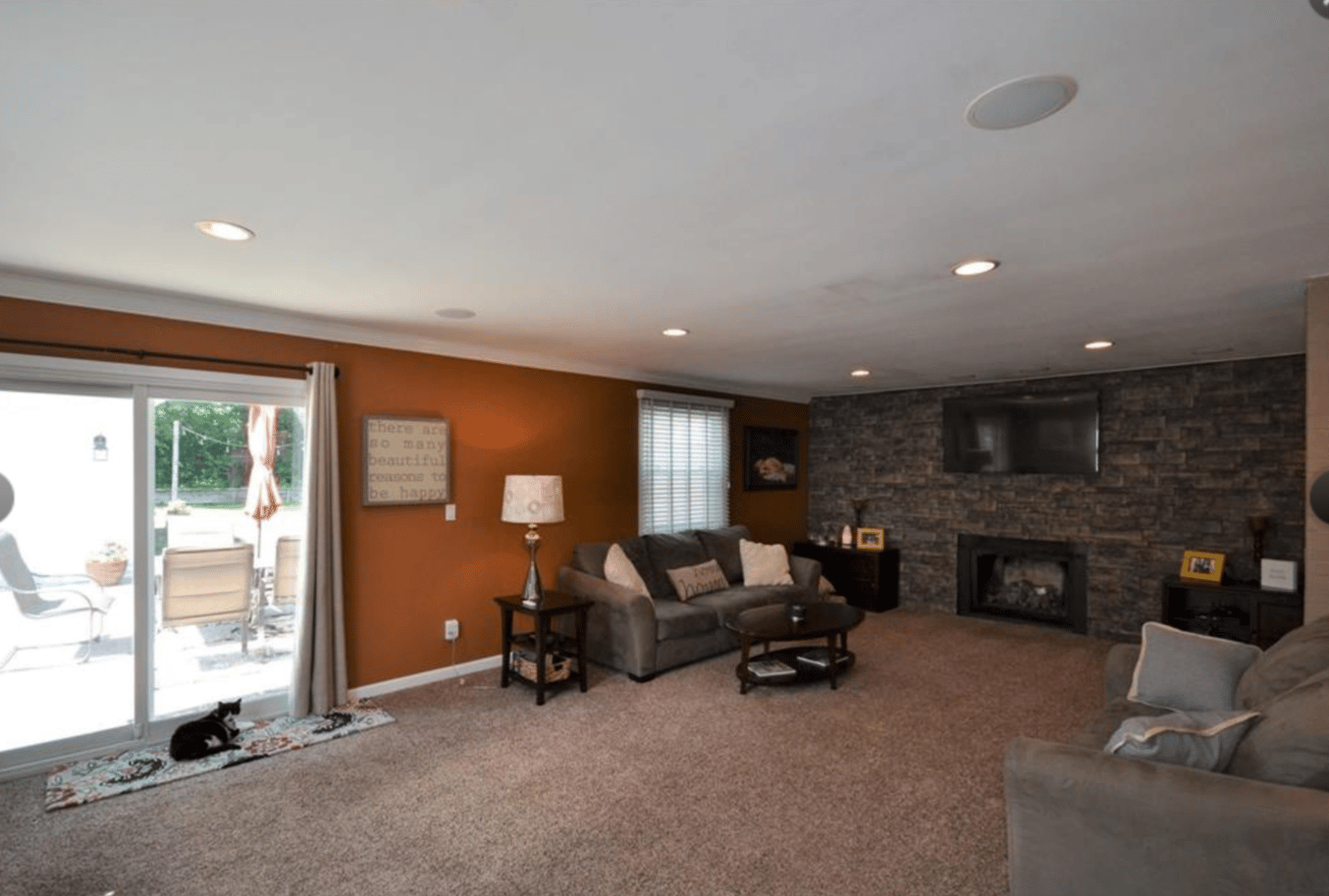
AFTER Staging

What made Windemere interesting wasn't the home itself.
The home was already there.
The location was already there.
The square footage was already there.
What changed was the buyer experience.
The home felt brighter.
Cleaner.
More inviting.
Easier to understand.
Buyers could picture themselves living there.
That shift created confidence.
And confidence creates action.
Buyers didn't suddenly discover a different house.
They simply experienced the same home differently.
The updates made it easier for buyers to understand the home's potential, picture themselves living there, and feel confident enough to take the next step.
That confidence created engagement.
And engagement created momentum.
After repositioning, the home sold in two days and closed $11,000 over asking price.
The home itself hadn't changed.
The buyer experience had.
For a broader look at how pricing, preparation, presentation, and exposure work together, read:
READ THE FULL ARTICLE: Complete Home Selling Strategy in Royal Oak and Birmingham
Question #4: Has the Listing Created Buyer Trust?
One of the biggest misconceptions sellers have is believing buyers evaluate homes primarily based on price.
They don't.
Buyers evaluate confidence.
Every buyer is asking some version of the same question:
Can I trust this home?
They want to know:
-
Does this home feel cared for?
-
Does the seller seem responsible?
-
Will I inherit problems?
-
Can I feel confident writing an offer?
Trust Is Often Built Before The Showing
Many sellers believe trust is created when buyers walk through the front door.
In reality, trust often begins online.
Every photo.
Every room.
Every description.
Every detail contributes to buyer confidence.
Buyers often interpret presentation as a reflection of ownership.
Fair or not, the way a home is presented influences how buyers feel about its condition, maintenance, and overall value.
When buyers feel confident, they lean in.
When buyers feel uncertain, they often move on without ever scheduling a showing.
When a home feels cared for, buyers become curious.
When a home feels confusing, neglected, or difficult to understand, buyers become cautious.
That caution may have nothing to do with the asking price.
But it can dramatically affect whether buyers choose to schedule a showing.
Most buyers won't tell you why they moved on.
They won't call.
They won't email.
They won't leave feedback.
They simply move on to the next listing.
That silence is often feedback in itself.
Question #5: Have You Explored Repositioning Before Reducing Again?
Many sellers believe they only have two options:
Keep the price where it is.
Or reduce it.
In reality, there is often a third option.
Reposition the listing.
Listing repositioning means evaluating the buyer experience and improving the areas that may be creating hesitation.
This is also where the level of service being provided becomes important.
That may include:
-
staging
-
decluttering
-
photography updates
-
presentation improvements
-
revised positioning
-
stronger marketing assets
-
clearer buyer messaging
Price matters.
But price should not be evaluated in isolation.
Sellers evaluating different approaches to selling may also find Can I Sell My Home for a 1.5% Commission? What Sellers Should Know helpful. Understanding the fee structure is important, but understanding the strategy behind the sale is often what has the greatest impact on the outcome.
The strongest selling strategies consider:
-
price
-
preparation
-
presentation
-
positioning
-
exposure
-
buyer psychology
If you're comparing service models, I also recommend reading Full-Service Realtor vs Discount Realtor: What's Actually Included? Many sellers discover that the difference isn't just commission. It's the preparation, positioning, buyer experience, and overall strategy behind the listing.
All of these pieces work together.
When one of those pieces is missing, sellers often assume price is the problem.
Sometimes it is.
But sometimes the issue is that buyers never experienced enough confidence to take action.
That's why understanding buyer behavior is so important before making another reduction.
Windemere Street Case Study Continued
The Windemere Street home wasn't saved by a dramatic price reduction.
It was helped by improving how buyers experienced the home.
BEFORE Staging
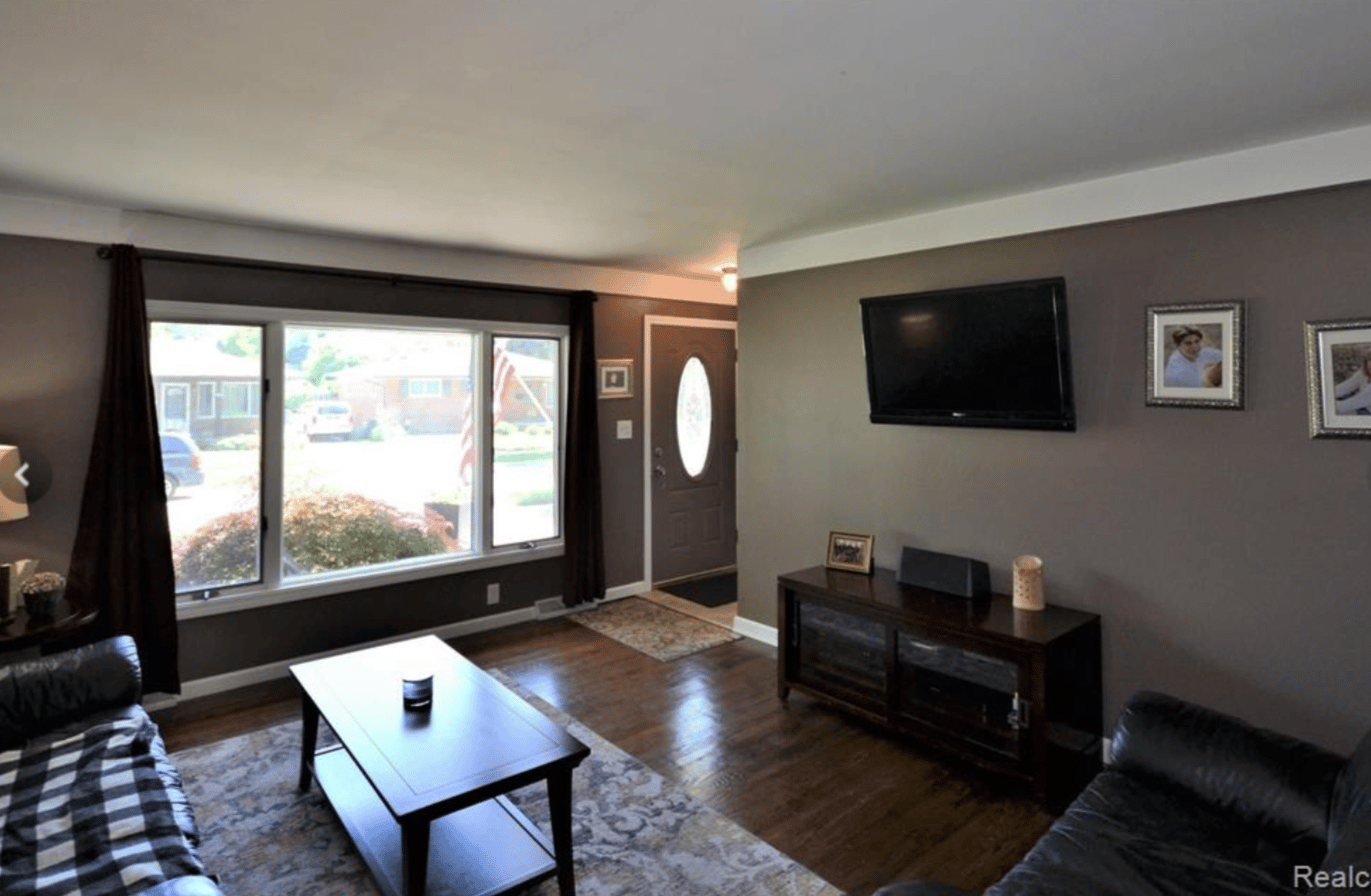
AFTER Staging
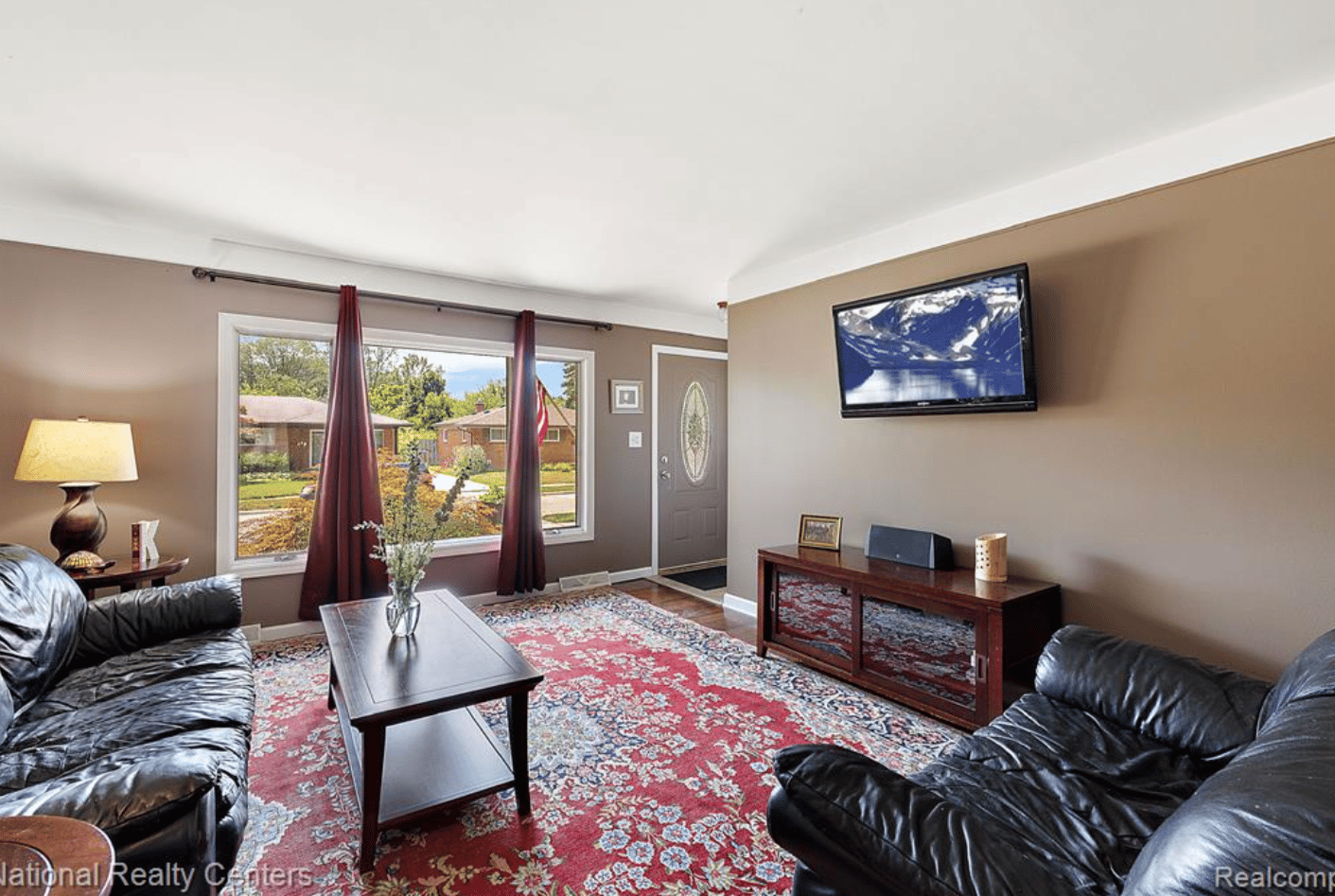
Listing repositioning often involves staging, presentation improvements, and photography updates before another price reduction is considered.
BEFORE Staging
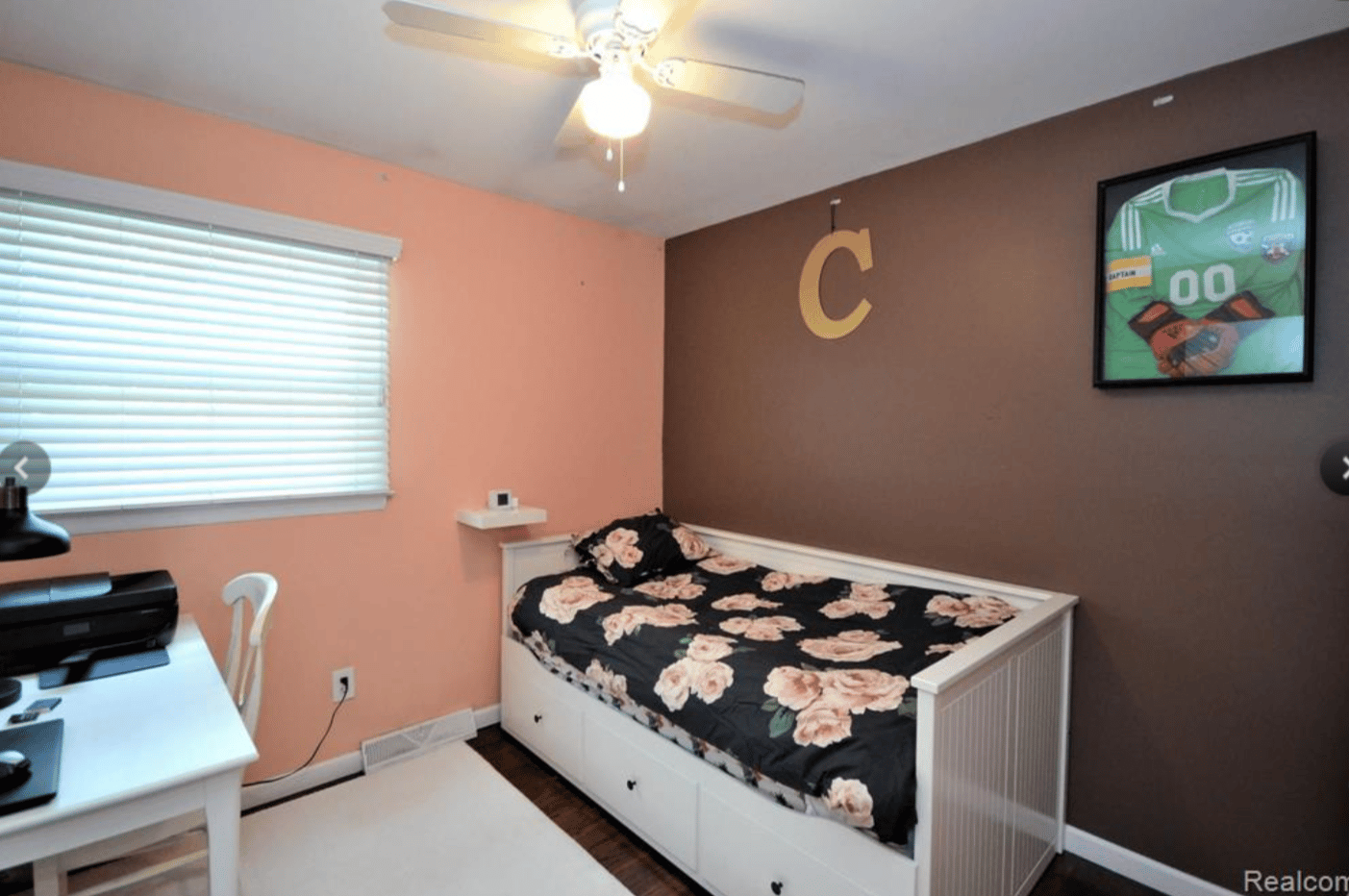
AFTER Staging
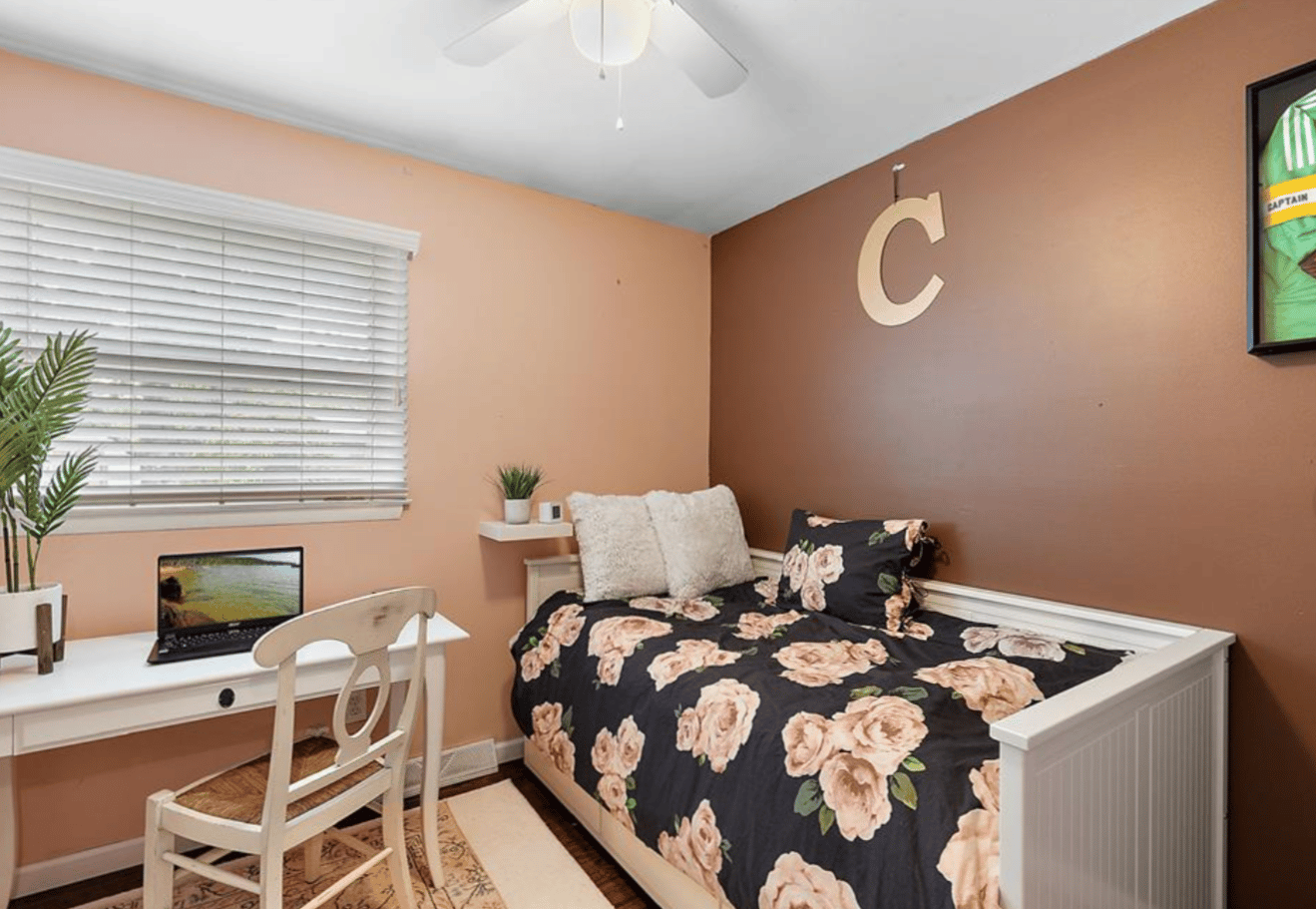
The result wasn't simply more views.
The result was stronger buyer confidence.
And stronger buyer confidence created momentum.
Some sellers also explore selling without representation altogether. Before making that decision, read FSBO vs Hiring a Realtor in 2026 to better understand the responsibilities, risks, and potential trade-offs involved.
Final Thoughts
The easiest solution is not always the correct solution.
When a home sits on the market, reducing the price often becomes the first conversation.
Sometimes that conversation is necessary.
Sometimes it isn't.
Before giving up equity, take time to understand why buyers stopped responding.
Did they reject the price?
Or did they stop connecting with the listing?
Before reducing the price, ask whether the market rejected the price—or whether buyers stopped responding to the listing itself.
Those are two very different problems.
And they often require two very different solutions.
The answer can change the strategy entirely.
Because the goal isn't simply to lower the price.
The goal is to create confidence.
The goal is to create engagement.
The goal is to create momentum.
And momentum is often what creates the strongest outcomes for sellers.
Frequently Asked Questions
Should I reduce my home's price after two weeks?
Not necessarily. Before reducing the price, evaluate showing activity, buyer feedback, presentation, and engagement to determine whether the issue is pricing or positioning.
Can a stale listing recover without a price reduction?
Yes. Some homes regain buyer interest through stronger presentation, staging, photography, and listing repositioning.
What causes a listing to lose momentum?
Momentum often slows when buyer engagement declines, showings decrease, or buyers begin questioning why the home remains available.
Do multiple price reductions hurt a listing?
They can. Buyers sometimes assume there may be hidden issues or believe future negotiations will be possible.
What is listing repositioning?
Listing repositioning focuses on improving how buyers experience a home through presentation, staging, photography, messaging, positioning, and overall buyer confidence.
How do I know if buyers rejected my price?
If buyers are viewing the home, touring the property, and consistently choosing competing homes, pricing may be a factor. If buyers are not engaging at all, presentation or positioning may also be contributing.
About Lisa A. Mills
Lisa A. Mills | Signature by Lisa
National Realty Centers Powered by JMG
Serving Royal Oak, Birmingham, Berkley, Clawson, Madison Heights, Hazel Park, Beverly Hills, Bloomfield Hills, and surrounding Metro Detroit communities.
Known as "The calm strategist when life shifts," Lisa helps sellers make confident real estate decisions through preparation, positioning, buyer psychology, and strategic marketing designed to create stronger outcomes.
Real estate decisions are rarely just about the home. They are about timing, direction, and what comes next. Having clarity in those moments is what creates better decisions and stronger results.