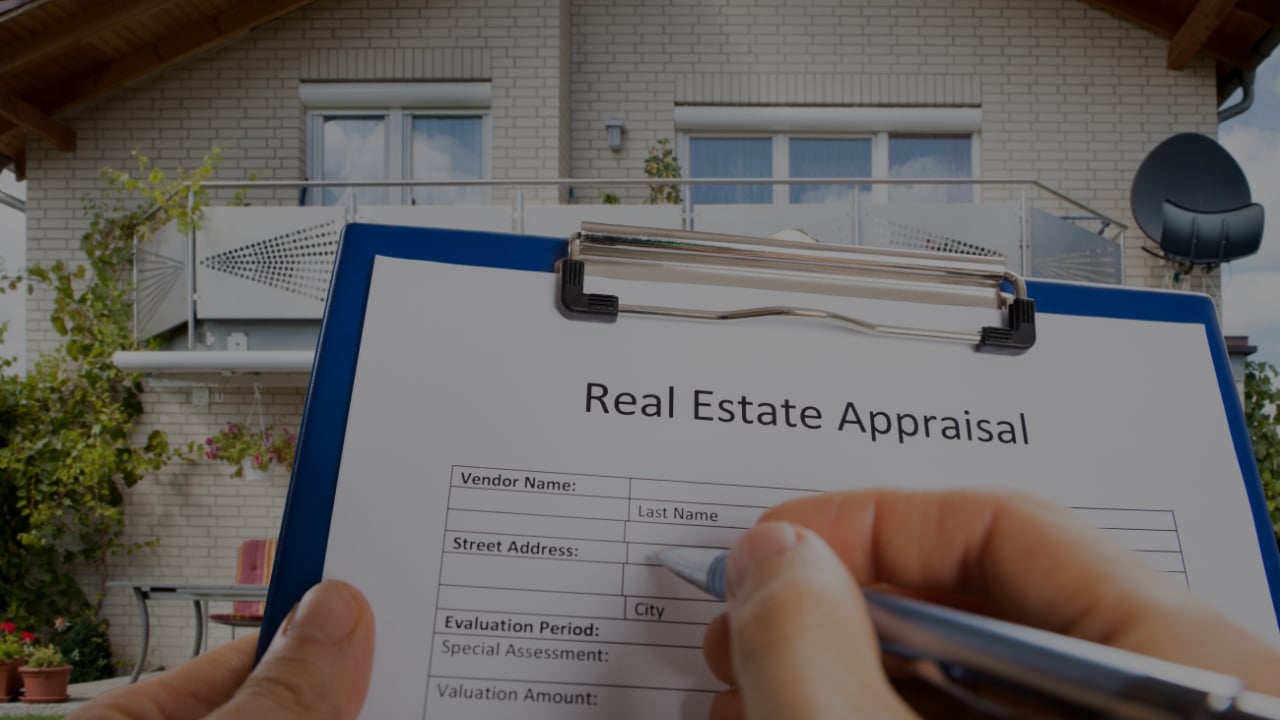
“The appraisal came in $20,000 low. I guess I have to lower my price.”
Not necessarily.
A low appraisal does not automatically determine what the seller has to do next.
It gives us new information.
Now we need to understand why the appraisal came in low, what comparable sales were used, what the purchase agreement says, how the buyer is financing the purchase, whether appraisal protection was negotiated, what the buyer can financially do, what demand existed for the home, and what negotiating position each side has.
Then we determine the next move.
The appraisal is one part of the transaction. It is not the entire strategy.
A Low Appraisal Does Not Automatically Mean a Price Reduction
The buyer and seller agreed to a purchase price.
The appraisal came in below it.
Those are two different numbers created for two different reasons.
The purchase price was created through the market and the negotiation between the buyer and seller.
As I explain in How Do Buyers Decide What to Offer on a Home in Royal Oak?, a buyer's eventual offer can be affected by the home's condition, competition, buyer demand, perceived value, the strength of their interest and the negotiation itself.
An appraisal serves a different purpose.
When financing requires an appraisal, the lender obtains an opinion of the property's value as part of determining whether the property adequately supports the loan.
That means a buyer can willingly agree to one price while the appraisal supports another.
When that happens, the difference between the contract price and appraised value is commonly referred to as an appraisal gap.
But the existence of that gap does not automatically tell us who absorbs it.
That depends on the transaction.
The First Question Is Why the Appraisal Came in Low
Before deciding what to do, I want to understand the appraisal.
What comparable sales were used?
How recent were they?
How close were they to the property?
Were they actually competitive with the subject property?
How were differences in size, condition, updates, location, layout and features considered?
Is the property information accurate?
Are there relevant comparable sales or property characteristics that warrant further review?
This connects directly to Which Comparable Sales Should I Use to Determine My Royal Oak Home's Value?
A nearby sale isn't automatically a good comparable simply because it's close.
The question I use when evaluating comparable properties is:
Would the same buyer realistically have considered both homes?
That matters when establishing probable market value before listing.
And it can matter again when reviewing an appraisal.
What the Seller Paid or Invested Doesn't Establish the Appraised Value
This is where seller expectations can collide with market evidence.
I recently represented one of my sellers as she purchased her next home.
The seller of the home she was purchasing had owned the property for only a short period of time, had invested money into the home and was relocating out of state.
The seller had expectations around recovering what had been put into the property.
But the home had been priced above what the comparable market evidence supported.
The seller had a financial expectation.
The appraisal had a different job.
When the appraisal came in below the negotiated purchase price, it exposed the difference between the seller's expectations and the market evidence supporting the property's value.
That distinction matters.
What a seller paid for a property matters to the seller.
What they spent improving it matters to the seller.
What they need from the sale matters to the seller.
But those numbers do not independently establish current market value.
That is the distinction behind What Is My Royal Oak Home Worth?
Market value isn't based on what the homeowner needs to receive.
It is based on the property, comparable market evidence and what qualified buyers are willing to pay within the current competitive market.
Time Owned Does Not Automatically Equal Equity Gained
There is another layer to that purchasing experience.
The seller had owned the home for only a short period of time.
Ownership alone does not guarantee appreciation.
And appreciation does not automatically equal the amount a homeowner has invested into a property.
If someone purchases a home, owns it for a couple of years, spends money improving it and then sells, there may or may not have been enough market appreciation during that period to recover those costs through increased market value.
This is why How Do Updates and Condition Affect My Home's Value in Royal Oak, Michigan? separates the cost of an improvement from the value buyers may assign to it.
An updated kitchen may improve buyer perception.
A finished basement may make one home more competitive than another.
New mechanical systems may reduce buyer concerns.
But:
Cost does not automatically equal value.
And:
Money invested does not automatically become equity dollar for dollar.
The market still has to support the value.
The Contract Determines What Options Come Next
Once we understand the appraisal, the next question is:
What did the seller and buyer already agree to?
This is why Article #93, What Can Cause a Home Sale to Fall Apart After Accepting an Offer in Royal Oak?, emphasized that the offer you accept becomes the contract you have to get to closing.
The appraisal terms negotiated in that offer now matter.
Did the buyer retain an appraisal contingency?
Did the buyer agree to cover an appraisal gap?
If so, how much?
Did the buyer waive or modify certain appraisal protections?
What financing is involved?
What rights does the purchase agreement provide each party?
A seller should not respond to a low appraisal before understanding those terms.
Because two transactions with the exact same $20,000 appraisal gap can create completely different negotiating positions.
The Buyer May Be Able to Cover Some or All of the Gap
A low appraisal does not automatically require the seller to absorb the difference.
Depending on the buyer's financial position and the terms of the purchase agreement, the buyer may be able or obligated under negotiated terms to bring additional funds toward the difference.
For example:
The contract price is $500,000.
The appraisal comes in at $480,000.
There is a $20,000 appraisal gap.
That does not automatically make the new purchase price $480,000.
We still have to determine what the contract requires and what each party is willing and able to do.
The buyer may cover the difference.
The seller may agree to reduce some or all of it.
The parties may negotiate somewhere between the two.
Or the contractual terms may provide another outcome.
The appraisal creates the issue.
The contract and negotiation determine how that issue is resolved.
Buyer Demand Can Affect the Seller's Position
Now we come back to another part of the strategy established before the appraisal ever happened.
Buyer demand.
Was this the only buyer interested in the property?
Were there multiple offers?
Were there other strong buyers?
Is there backup interest?
How long was the home on the market before receiving the offer?
What would the seller be returning to if the current transaction ended?
Those questions matter.
In Should I Price My Home Below Market Value to Get Multiple Offers?, I explain that the price itself doesn't create multiple offers.
Buyer demand does.
That demand can continue to matter after an offer is accepted.
A seller with strong backup interest may evaluate a low-appraisal negotiation differently from a seller whose home had limited activity before receiving the current offer.
That doesn't automatically mean the seller should refuse to negotiate.
It means leverage depends on the actual circumstances.
Can a Low Appraisal Be Challenged?
Potentially.
But the first step isn't simply declaring that the appraisal is wrong because the seller doesn't like the number.
The appraisal should be reviewed.
Are there factual inaccuracies?
Was important property information missed?
Are there relevant comparable sales that were not considered?
Is there information that could materially affect the valuation?
If there is legitimate information that warrants review, the appropriate lender process may allow for a reconsideration of value.
That is different from asking an appraiser to increase the value simply because the transaction needs a higher number.
The market evidence has to support the argument.
This brings us directly back to why valuation and pricing strategy matter before the property ever reaches this stage.
What the July 2026 Royal Oak Market Tells Us About a Low-Appraisal Decision
A low appraisal should not be evaluated without considering the market the seller would be returning to if the current transaction did not move forward.
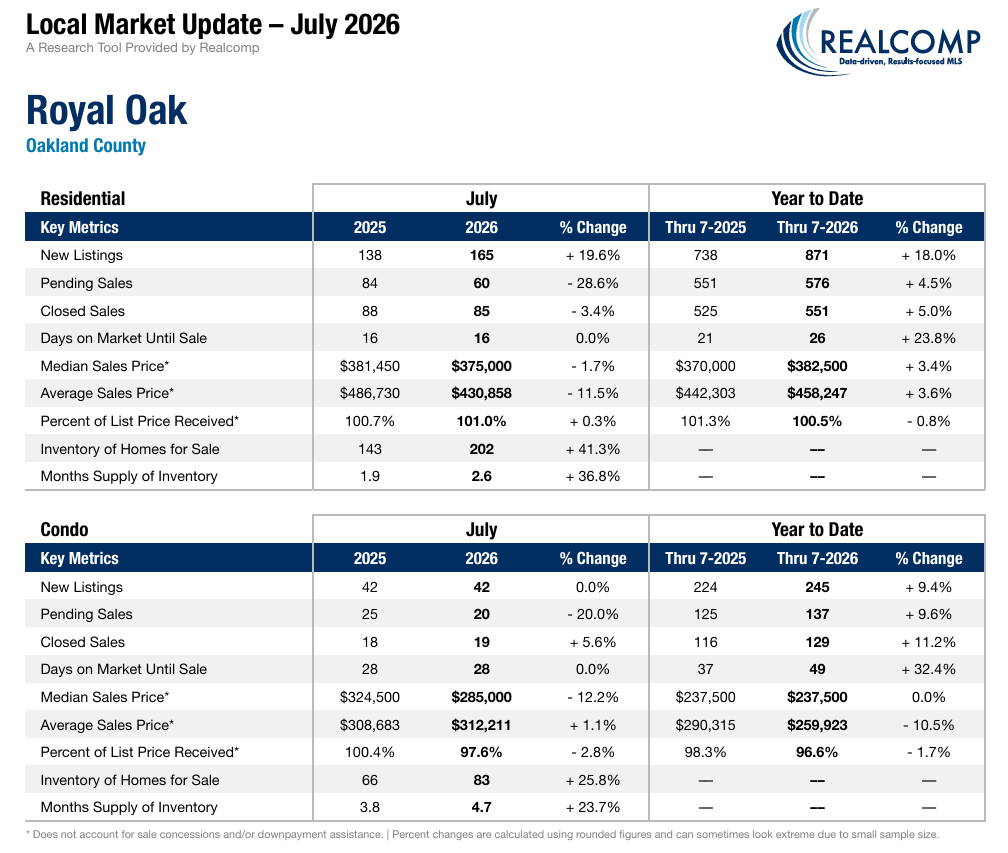
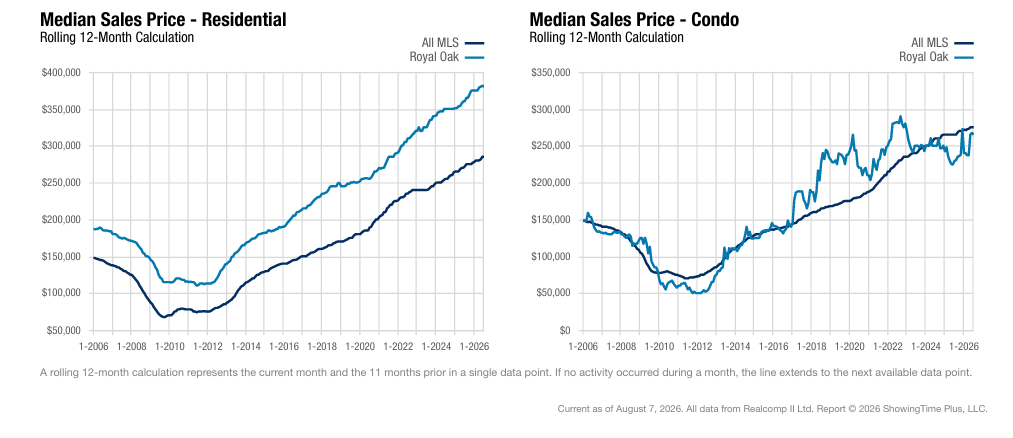
Figure 1. July 2026 Royal Oak Residential Market Snapshot — Source: Realcomp MLS
Royal Oak Residential — July 2026
Royal Oak had 202 residential homes for sale in July 2026, up 41.3% from 143 one year earlier.
Months supply increased from 1.9 to 2.6 months, while new listings increased 19.6%.
Pending sales declined 28.6% for the month.
The year-to-date numbers add context.
Through July 2026, Royal Oak residential closed sales were up 5.0%, and the median sales price was up 3.4% to $382,500.
Buyers are still buying.
But sellers have more competition than they did one year earlier.
That matters when deciding whether to hold firm, negotiate an appraisal gap or risk returning the property to the market.
The appraisal number alone doesn't make that decision.
The Strategy Is Bigger Than the Appraisal Number
Instead of asking:
“The appraisal came in low. How much do I have to reduce my price?”
I want to answer a different question:
“What position are we actually in?”
What does the appraisal support?
Were the appropriate comparable sales considered?
What does the purchase agreement say?
What appraisal protection was negotiated?
What can the buyer financially do?
What buyer demand did we create?
Do we have backup interest?
What does the current market look like?
What happens if we don't reach an agreement?
And how should the next negotiation be handled?
Those are connected decisions.
Just as Article #92 established that preparation, presentation, pricing, marketing, buyer demand, representation and negotiation work together before an offer is accepted, they continue affecting the transaction after acceptance.
A low appraisal doesn't automatically determine the seller's outcome.
It creates the next negotiation.
The Signature by Lisa Appraisal Strategy
When an appraisal comes in below the negotiated sale price, I don't look at the appraisal number in isolation.
I look at the complete transaction.
What does the appraisal support?
What does the purchase agreement say?
What appraisal terms were negotiated?
What can the buyer financially do?
What market evidence supports the contract price?
What buyer demand existed?
What alternatives does the seller have?
What leverage does each side have?
And what outcome best supports the seller's goals?
The appraisal creates a decision point.
It doesn't make the decision for the seller.
Review the Appraisal Before Reacting to It
Before discussing a price reduction, I want to understand how the appraiser reached the value.
That means reviewing the report.
Are the property details accurate?
Were relevant features included?
Which comparable sales were selected?
How recent were those sales?
Where were they located?
How similar were they in size, condition, updates, layout and overall market appeal?
Were appropriate adjustments made?
Is there relevant market information that should be considered?
This connects directly to Which Comparable Sales Should I Use to Determine My Royal Oak Home's Value?
The same principles we use when evaluating comparable sales before listing can become important again during appraisal.
The first response to a low appraisal shouldn't automatically be a price reduction.
The first response should be understanding the appraisal.
Determine What the Purchase Agreement Requires
Next, we go back to the contract.
This is where the strength and structure of the original offer become important.
A buyer may have retained an appraisal contingency.
Another buyer may have agreed to cover a specific appraisal gap.
Another may have provided stronger appraisal protection.
Those offers can look similar when sellers focus only on purchase price.
They can look very different when the appraisal comes in low.
That's why How Do Buyers Decide What to Offer on a Home in Royal Oak? goes beyond the headline price when evaluating an offer.
Financing.
Appraisal.
Inspection.
Earnest money.
Contingencies.
Closing.
Occupancy.
The buyer's ability to perform.
Those terms become real when something in the transaction doesn't go according to plan.
Understand the Buyer's Financial Position
The buyer may want the home enough to cover an appraisal gap.
That doesn't automatically mean they can.
A buyer's available cash, loan structure and lender requirements can affect what options are possible.
For example, assume:
Contract price: $500,000
Appraised value: $480,000
Appraisal gap: $20,000
The seller does not automatically have to reduce the price to $480,000.
The buyer does not automatically have to bring $20,000.
What happens depends on the purchase agreement and the parties' positions.
The buyer may bring additional funds.
The seller may reduce the price.
The parties may divide the difference.
There may be a reconsideration of value if legitimate supporting information exists.
Or the transaction may not move forward if the parties cannot reach an agreement and the contract provides a path for termination.
There isn't one automatic answer to a low appraisal.
An Appraisal Gap Is Also a Negotiation
This is where #94 connects directly back to the strategy established in Should I Leave Room to Negotiate When Pricing My Home?
Negotiation doesn't happen only when the original offer arrives.
It can happen again during inspection.
During appraisal.
When financing changes.
Or when another contractual issue arises.
But now we're negotiating from an existing contract.
That matters.
The seller needs to know what the buyer already agreed to, what contractual protections exist, what each side can do and what happens if an agreement isn't reached.
Then we determine where there is actual leverage.
You don't negotiate an appraisal gap based on fear of losing the buyer.
You negotiate it based on the contract, the evidence, the market and the seller's position.
Buyer Demand Still Matters
Imagine the home received four strong offers.
The accepted buyer offered $500,000.
The appraisal comes in at $480,000.
Now compare that with a property that received one offer after several weeks on the market.
Same $20,000 appraisal gap.
Different negotiating position.
In the first situation, there may still be backup interest or evidence that multiple buyers perceived value near the negotiated price.
In the second, returning to the market may carry a different level of risk.
Neither situation automatically tells the seller what to do.
But the market response provides information.
That's why buyer demand was part of the seller strategy before the offer arrived—and why it can continue to matter after acceptance.
What If the Seller Refuses to Lower the Price?
A seller can decide they are unwilling to reduce the price.
What happens next depends on the purchase agreement and the buyer's ability and willingness to proceed.
The buyer may bring additional cash if the financing and contract allow it.
The parties may negotiate.
The appraisal may be reviewed through the appropriate lender process if there is legitimate supporting information.
Or the transaction may terminate if applicable contractual rights allow it and the parties cannot reach an agreement.
Then the seller may have to return the property to the market.
This is where What Can Cause a Home Sale to Fall Apart After Accepting an Offer in Royal Oak? becomes important.
Ending one transaction doesn't simply reset the clock.
The seller returns to the market that exists at that time.
Competition may have changed.
Buyer demand may have changed.
Other homes may have entered the market.
Previous buyers may no longer be available.
And future buyers may ask why the property returned to active status.
That doesn't mean the seller should accept a price reduction to avoid going back on the market.
It means the consequences of both decisions need to be evaluated.
What If the Seller Believes the Appraisal Is Wrong?
Disagreeing with the value isn't enough by itself.
There needs to be support for the disagreement.
If the appraisal contains factual errors, misses relevant property information or excludes comparable sales that may materially affect the valuation, that information can be reviewed.
When appropriate, the lender may have a process for requesting a reconsideration of value.
The goal is not:
“We need this appraisal to be $500,000 because that's our contract price.”
The question is:
“Is there credible market evidence that supports a different conclusion?”
That distinction matters.
An appraisal reconsideration should be based on evidence.
Not the seller's desired outcome.
A Higher Offer Can Carry Appraisal Risk
This is another reason the highest offer isn't automatically the strongest offer.
Consider two buyers.
Buyer A offers $500,000 with an appraisal contingency and limited ability to cover a gap.
Buyer B offers $490,000 with stronger appraisal protection and the financial ability to perform under those terms.
Which offer is stronger?
The answer isn't automatically Buyer A because $500,000 is higher.
The seller has to evaluate the complete offer.
That doesn't mean the seller should automatically choose Buyer B either.
It means the additional $10,000 has to be evaluated alongside the risk attached to it.
This is where representation moves beyond presenting numbers.
The seller needs to understand what those numbers actually mean.
Representation Matters When the Appraisal Comes in Low
A low appraisal can create an emotional reaction.
The seller may feel the appraiser missed the value.
The buyer may be worried about bringing more cash.
The lender is working within its loan requirements.
And the transaction has contractual deadlines.
Someone still has to evaluate the situation.
What does the appraisal say?
What does the contract say?
What can the buyer do?
What does the seller want?
What market evidence exists?
What leverage do we have?
What are the consequences of holding firm?
What are the consequences of negotiating?
What happens if the transaction terminates?
Then the agents have to navigate the negotiation.
This is exactly why Article #92 established that representation is part of the seller strategy—not something that happens after the strategy. The attached framework specifically treats offer strength, appraisal, buyer ability to perform, leverage and agent negotiation as connected parts of the outcome.
The Signature by Lisa Perspective
A low appraisal is not automatically bad news.
And it is not automatically a price reduction.
It is information.
The seller's next move should be based on the appraisal, comparable market evidence, the purchase agreement, buyer financing, appraisal protection, buyer demand, available leverage and the seller's goals.
That's why I don't look at appraisal as an isolated event.
The pricing strategy mattered.
The comparable sales mattered.
The buyer demand mattered.
The offer we accepted mattered.
The terms we negotiated mattered.
And now representation matters.
They are still working together.
The strategy didn't stop when the offer was accepted.
The Next Question: Should I Accept the Highest Offer?
A seller receives multiple offers.
One buyer offers the highest price.
Another buyer offers slightly less with stronger financing, better appraisal protection or cleaner terms.
Which one should the seller choose?
That's our next conversation:
Should I Accept the Highest Offer on My Royal Oak Home?
Frequently Asked Questions
Does a seller have to lower the price if the appraisal comes in low?
No. A low appraisal does not automatically require the seller to reduce the sale price. What happens next depends on the purchase agreement, appraisal terms, buyer financing and what the buyer and seller negotiate.
What happens if a house appraises lower than the offer?
The difference between the contract price and appraised value creates an appraisal gap. Depending on the contract, the buyer may bring additional funds, the seller may reduce the price, the parties may negotiate another solution, or the transaction may terminate if applicable contractual rights allow it.
Can a buyer walk away if the appraisal is lower than the offer?
Potentially. The buyer's rights depend on the purchase agreement, appraisal contingency and other negotiated terms. An appraisal below the contract price does not automatically give every buyer the right to terminate.
Can a seller challenge a low appraisal?
A low appraisal may be reviewed when there are legitimate concerns such as factual errors, missed property information or relevant comparable sales. The lender may have a process for requesting a reconsideration of value.
What is an appraisal gap?
An appraisal gap is the difference between the agreed purchase price and the appraised value. For example, a $500,000 contract price with a $480,000 appraisal creates a $20,000 appraisal gap.
Does the money I spent improving my home increase its appraised value dollar for dollar?
Not necessarily. Improvements can affect condition, buyer perception and market value, but the amount spent on an improvement does not automatically translate into an equal increase in appraised or market value.
Conclusion
A low appraisal does not automatically determine what your Royal Oak home should sell for.
It creates another decision point in the transaction.
The appraisal matters.
So do the comparable sales.
The contract.
The buyer's financing.
Appraisal protection.
Buyer demand.
The seller's alternatives.
And the negotiation.
Each needs to be evaluated before deciding what happens next.
Closing Thoughts
“The appraisal came in $20,000 low. I guess I have to lower my price.”
Not necessarily.
First, understand the appraisal.
Then understand the contract.
Understand the buyer's position.
Understand the market.
Understand your leverage.
Then negotiate from the position you actually have—not from the appraisal number alone.
Find Out What Your Royal Oak Home Is Worth
A strong appraisal strategy begins before an offer is accepted.
Understanding probable market value, comparable sales, current competition and buyer demand helps establish the evidence behind your pricing strategy before your Royal Oak home reaches the market.
I'll evaluate those factors to help determine your home's market position and the pricing strategy that supports your selling goals.
👉 Find Out What Your Royal Oak Home Is Worth
About Lisa A. Mills
Lisa A. Mills is a REALTOR®, founder of Signature by Lisa, and is affiliated with National Realty Centers | Powered by JMG. She specializes in helping Metro Detroit homeowners confidently navigate life's transitions through strategic planning, local market expertise, and innovative digital marketing.
Known as The Calm Strategist When Life Shifts, Lisa believes selling a home begins with understanding—not assumptions. Through thoughtful preparation, strategic pricing, and a focus on buyer confidence, she helps homeowners make informed decisions that lead to stronger outcomes.