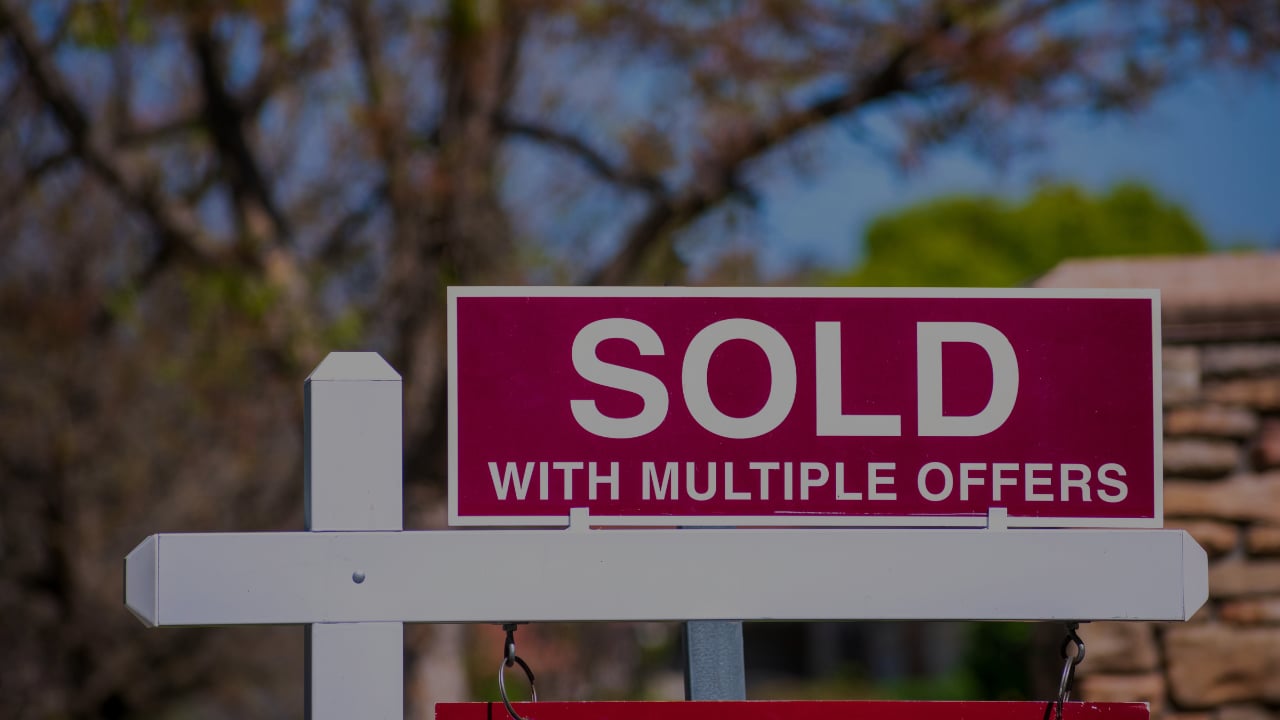
Multiple offers.
It's what many sellers imagine when they put their home on the market.
Several buyers want the house.
They're competing.
The seller is in control.
Take the highest number and celebrate.
Except that's not quite how I want my sellers approaching it.
Multiple offers create opportunity. They also create decisions.
Do we accept one?
Counter one buyer?
Ask buyers to improve their offers?
How do the financing and appraisal terms compare?
Is the highest offer actually the strongest?
What does each offer mean to the seller's estimated proceeds?
And how much risk is attached to each contract?
When multiple offers arrive on a Royal Oak home, the goal isn't simply to create a bidding contest.
The goal is to use the demand we've created to identify and negotiate the offer that best supports the seller's priorities and path to closing.
Multiple Offers Don't Automatically Mean Take the Highest Price
The purchase price is going to get your attention first.
It should.
But it shouldn't be the only thing we evaluate.
A seller isn't simply choosing between numbers.
They're choosing between contracts.
One buyer may offer the highest purchase price but have weaker appraisal protection.
Another may offer slightly less with stronger financing, more earnest money or terms that better support the seller's timing.
Another may request a seller concession.
Another may have contingencies that create a different level of risk.
That's why I've written separately about Should I Accept the Highest Offer on My Royal Oak Home?
The highest offer may absolutely be the best offer.
We just need to evaluate the entire contract before we know that.
First, Understand What Created the Multiple Offers
Before deciding what to do with multiple offers, I want to understand why we have them.
This starts long before offer day.
How was the home prepared?
How was it presented?
Where was it positioned against competing homes?
How did buyers perceive the value?
What marketing supported the launch?
And what happened when buyers actually experienced the property?
Multiple offers aren't created by declaring that we want multiple offers.
They're created when more than one buyer decides the property represents enough value to pursue it.
That distinction matters.
Because actual buyer demand creates negotiating leverage.
This is why How Do Buyers Decide What to Offer on a Royal Oak Home? is part of this conversation.
The seller's negotiating position has been developing from the moment we began preparing and positioning the property.
Compare the Complete Offer — Not Just the Number
When several offers arrive, I want them evaluated using the same framework.
Purchase Price
What is the buyer offering?
How does the price compare with the asking price, relevant comparable sales and the other offers?
Financing
How is the buyer purchasing the home?
What type of financing is involved?
How much is the buyer putting down?
What information has been provided regarding the buyer's ability to complete the purchase?
Appraisal Terms
What happens if the property doesn't appraise at the purchase price?
Has the buyer provided appraisal-gap protection?
If so, what exactly does the contract say?
This matters particularly when buyer competition pushes the purchase price above recent comparable sales.
For a deeper explanation, read What Happens If My Royal Oak Home Appraises Below the Sale Price?
Inspection Terms
What inspection rights has the buyer retained?
What deadlines apply?
What does the purchase agreement provide if the buyer identifies concerns?
Preparation before listing can help sellers understand the property's condition before this stage of the transaction.
Earnest Money
How much earnest money is the buyer offering?
What does the purchase agreement say about that deposit?
Earnest money doesn't determine the strength of an offer by itself, but it is another term that deserves evaluation.
Seller Concessions
Is the buyer asking the seller to contribute toward allowable buyer costs or requesting another negotiated credit?
A higher purchase price accompanied by a significant concession can produce a very different financial result for the seller.
Closing and Possession
When does the buyer want to close?
When do they expect possession?
Does that timing work with the seller's plans?
Sometimes a term that looks small on paper can be very important to the seller's actual transition.
Contingencies
What still needs to happen between acceptance and closing?
Financing.
Appraisal.
Inspection.
The sale of another property, if applicable.
Or other negotiated conditions.
We need to understand the complete path from acceptance to closing.
Should I Ask Everyone for Highest and Best?
This is one of the first questions sellers ask when several offers arrive.
Should we go back to everyone and ask for their highest and best offer?
Sometimes that may make sense.
But I don't believe it should be an automatic response simply because we have multiple offers.
First, I want to know what we already have.
Is there already an offer that strongly supports the seller's goals?
Are there terms within one or more offers that we would specifically like improved?
How much buyer competition actually exists?
What is the seller trying to accomplish?
And what could we potentially risk by continuing the negotiation?
More negotiation isn't automatically better negotiation.
There should be a strategic reason for what we ask buyers to do next.
Should I Counter One Buyer?
Possibly.
Multiple offers don't mean every buyer has to be treated as though their offer is identical.
One offer may already stand out but contain a term we'd like to improve.
Maybe it's price.
Maybe it's appraisal protection.
Maybe it's a concession.
Maybe it's closing or possession.
The seller may decide that negotiating with a particular buyer makes sense.
But before countering, I want the seller to understand both sides of the decision.
What are we trying to improve?
And:
What are we risking in order to improve it?
A counteroffer should have a purpose.
Appraisal Protection Can Become More Important in Multiple Offers
Buyer competition can push the purchase price higher.
That's good news—until we forget that a financed transaction may still have to navigate an appraisal.
Suppose several buyers compete and the winning offer is substantially above the asking price.
That higher number only benefits the seller if the transaction provides a path toward actually receiving it.
This is why appraisal terms can become especially important when comparing multiple offers.
A buyer offering a large appraisal guarantee may create a different risk profile than a buyer offering a higher price with little or no protection against an appraisal shortfall.
Neither offer should be evaluated from one term alone.
Price and appraisal risk need to be considered together.
Seller Concessions Can Change Which Offer Is Financially Strongest
Here's another reason I don't simply rank offers from highest to lowest.
A buyer can offer more money and simultaneously ask the seller to give some of it back.
That doesn't automatically make the offer weak.
But we need to understand the economics.
If one buyer offers a higher price with a seller concession and another offers slightly less without one, the purchase prices don't tell us the seller's actual financial outcome.
This is why Should I Give a Buyer a Seller Concession When Selling My Royal Oak Home? is part of evaluating multiple offers.
The question isn't simply:
Who offered the most?
It's:
What does each offer actually mean for my seller?
Buyer Commitment Matters Too
There are parts of an offer we can measure easily.
Price.
Down payment.
Earnest money.
Dates.
Concessions.
Then there is the broader picture.
How prepared does the buyer appear to be?
Has the necessary financing documentation been provided?
Does the buyer appear capable of meeting the terms they've proposed?
Has the buyer's agent communicated clearly about the offer?
Are questions being answered?
Is the lender accessible when appropriate?
None of this guarantees that a transaction will close.
But the seller isn't choosing a piece of paper in isolation.
They're choosing the contract—and the transaction—we'll have to navigate after acceptance.
Agent-to-Agent Communication Can Provide Valuable Context
This is one of the less visible parts of multiple-offer negotiations.
The written offer is what ultimately matters contractually.
But communication surrounding that offer can help us better understand what has been submitted.
If something in the financing isn't clear, I want clarification.
If appraisal language needs to be understood, I want it understood before my seller signs.
If a closing or possession term matters to the seller, I want to know whether there is flexibility.
If the buyer has a particularly important position or priority, communication may help us understand it.
Good communication doesn't replace strong contract terms.
It helps us evaluate and negotiate those terms with more information.
Don't Create Unnecessary Risk Just Because You Have Leverage
Multiple offers can create leverage.
But leverage still needs to be used intelligently.
Imagine the seller already has an offer with:
Strong price.
Strong financing.
Meaningful appraisal protection.
Acceptable inspection terms.
Good earnest money.
No problematic concession.
And timing that works beautifully.
Could we ask for more?
Maybe.
But the better question is:
What would we gain—and what might we risk?
Negotiation shouldn't become a game of squeezing every possible dollar out of a buyer simply because multiple offers exist.
My job is to help the seller recognize where leverage exists and determine how strategically to use it.
What Happens After We Choose an Offer Still Matters
Multiple offers can make offer day feel like the finish line.
It isn't.
Once the seller accepts one of those offers, the transaction moves into its next stages.
Inspection.
Appraisal.
Financing.
Title.
Closing.
The terms we selected during the multiple-offer negotiation now become extremely important.
That's why What Can Cause a Royal Oak Home Sale to Fall Apart? should be part of a seller's understanding before choosing an offer.
A spectacular offer that cannot successfully navigate the transaction isn't the outcome we're looking for.
We want strength at acceptance and a strategy for what comes next.
The Signature by Lisa Multiple-Offer Strategy
When multiple offers arrive, I don't want my seller overwhelmed by a stack of contracts.
I want to make the differences clear.
We evaluate:
Price.
Financing.
Appraisal.
Inspection.
Earnest money.
Seller concessions.
Contingencies.
Closing.
Possession.
Buyer ability to perform.
Seller priorities.
Then we look at the negotiating position buyer demand has created.
Do we already have the offer we want?
Is there something worth improving?
Which buyer gives us the strongest opportunity to improve it?
What do we potentially risk by negotiating further?
And how does the decision support what the seller is actually trying to accomplish?
Multiple offers create choices. Strategy helps us decide what to do with them.
Frequently Asked Questions About Multiple Offers in Royal Oak
Do I have to accept the highest offer on my Royal Oak home?
No. A seller can evaluate the complete terms of each offer, including purchase price, financing, appraisal protection, inspection terms, concessions, contingencies, closing, possession and the buyer's ability to perform before deciding which offer best supports the seller's priorities.
What does highest and best mean in real estate?
Highest and best generally refers to giving buyers an opportunity to submit the strongest terms they are willing to offer. A seller does not necessarily need to use this approach every time multiple offers are received.
Should I ask every buyer for their highest and best offer?
Not automatically. The decision should depend on the offers already received, actual buyer demand, the seller's priorities and what the seller is trying to improve through further negotiation.
Is the highest offer always the strongest offer?
No. Purchase price is important, but financing, appraisal protection, inspection terms, earnest money, seller concessions, contingencies, closing, possession and buyer ability can all affect the strength of an offer.
Can I counter one buyer when I have multiple offers?
Depending on the offers and contractual circumstances, a seller may decide to negotiate with a particular buyer. The seller should understand what they are trying to improve and the potential risk involved before countering.
Why does appraisal protection matter in a multiple-offer situation?
Buyer competition can push an offer above recent comparable sales. When financing is involved, appraisal terms can affect what happens if the appraised value is below the purchase price.
Do seller concessions matter when comparing multiple offers?
Yes. A seller concession can affect the seller's estimated proceeds. A higher purchase price with a significant concession may create a different financial outcome than a lower offer without that concession.
What happens after I accept one of the offers?
An accepted offer moves the transaction into its next stages, which may include inspection, appraisal, financing, title and closing depending on the purchase agreement and transaction.
Closing Thoughts
Multiple offers are a good position for a seller to have.
But they're not the strategy.
They're the result of the strategy that got us there.
Preparation.
Presentation.
Pricing.
Marketing.
Buyer experience.
Demand.
Then the offers arrive.
Now we evaluate what each buyer is actually offering—not simply the number at the top of the contract.
We determine where the seller has leverage.
We decide whether there's a reason to negotiate further.
And we choose the path that best supports the seller's financial goals, timing and ability to get from acceptance to closing.
Because the goal isn't to say:
“We had five offers.”
The goal is to be able to say:
“We understood our options, used the demand strategically and chose the offer that best supported the seller.”
When you're preparing to sell your Royal Oak home, we can map that strategy before the first offer ever arrives.
About Lisa A. Mills
Lisa A. Mills is a REALTOR®, founder of Signature by Lisa, and is affiliated with National Realty Centers | Powered by JMG. She specializes in helping Metro Detroit homeowners confidently navigate life's transitions through strategic planning, local market expertise, and innovative digital marketing.
Known as The Calm Strategist When Life Shifts, Lisa helps sellers understand not only what their home may be worth, but how preparation, positioning, pricing, marketing, buyer behavior, and negotiation work together to protect their equity and move them toward the next chapter.