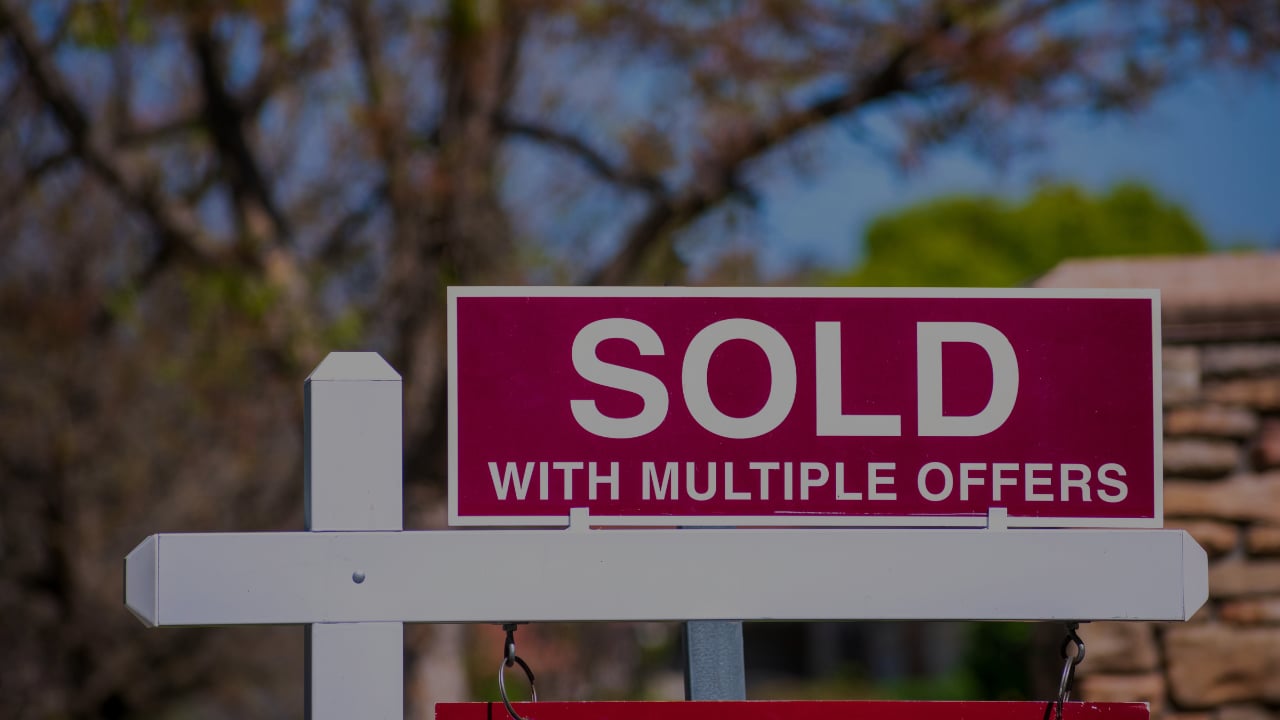
You list your Royal Oak home.
An offer comes in quickly.
And almost immediately, another question takes its place:
Should I accept it—or wait to see if something better comes along?
It's a reasonable question.
A fast offer can sometimes make sellers wonder whether they priced too low or whether waiting another day or two could produce a higher number.
But there's another side to that decision.
The first offer isn't automatically an offer you should accept. But it also isn't an offer you should dismiss simply because it came quickly.
The right decision comes from evaluating the offer, the buyer, the activity surrounding the property, and what the market is telling us.
A Fast Offer Doesn't Automatically Mean Your Home Was Priced Too Low
This is one of the first assumptions I want to address.
When a well-positioned home receives an offer quickly, sellers can start second-guessing the asking price.
"Maybe we should have listed higher."
Maybe.
But speed alone doesn't tell us that.
A home can attract immediate interest because the preparation, presentation and pricing aligned with what buyers were looking for.
That is very different from simply giving a property away.
The better question is:
What did the market do when the home became available?
Did buyers schedule showings?
Was there meaningful interest?
Did buyers return for second looks?
Were agents asking questions?
Did another buyer indicate that an offer might be coming?
The response surrounding the property gives us context for evaluating that first offer.
For more on how asking price influences buyer response, read How Do I Price My Home to Sell in Royal Oak, Michigan?
The First Offer Deserves the Same Evaluation as Every Other Offer
I don't believe sellers should evaluate an offer based on when it arrived.
We evaluate what's actually in it.
Of course, price matters.
But so do the other terms.
When reviewing an offer with a seller, I want to understand the complete package, including:
Purchase price
Financing
Down payment
Earnest money deposit
Appraisal terms
Inspection terms
Seller concessions
Closing timeline
Possession
Other contingencies
The buyer's overall ability to perform
A high purchase price can get everyone's attention.
But the number at the top of the offer doesn't tell us everything about the probability of getting from acceptance to closing.
An offer is a package, not just a price.
Should You Wait for More Offers?
Sometimes.
But waiting isn't automatically the better strategy either.
If we already have a strong offer in hand, we need to understand what we're risking by delaying a decision.
Is there enough buyer activity to reasonably believe another offer may arrive?
Are other showings scheduled?
Have agents indicated that their buyers are interested?
Is there an established offer deadline?
How long is the current buyer giving the seller to respond?
These are practical questions.
We shouldn't reject a good opportunity based solely on the possibility that something better might appear.
At the same time, we don't want to rush a seller into accepting an offer without understanding the demand we've created.
The decision needs to be based on actual market feedback—not fear of losing the buyer and not wishful thinking about a better offer.
Buyer Activity Gives Us Information
This is one reason the first days on market can be so important.
We're not only watching whether an offer arrives.
We're watching how buyers respond to the property.
Showing activity, agent communication, buyer questions, online engagement and offer activity can help us interpret the market's response.
That information matters when deciding whether to accept an offer, counter it, establish an offer deadline, or allow additional buyers an opportunity to respond.
This is also why marketing isn't simply about generating views.
The goal is to create a buyer experience that builds confidence, momentum and ultimately offers.
Read How Will My Home Be Marketed to Attract Buyers in Royal Oak?
Don't Assume a Higher Offer Will Be a Better Offer
Let's say you have a strong first offer.
Another offer arrives later with a higher purchase price.
The decision still isn't automatic.
The higher-priced buyer may be using different financing.
They may be putting less money down.
They may request seller concessions.
They may have different appraisal protection.
Their inspection terms may be different.
Their timeline may not work as well for the seller.
Or the higher price may create additional appraisal risk.
This is why sellers need to compare net proceeds, terms, risk and buyer commitment rather than simply circling the largest number.
The strongest offer and the highest offer are not always the same offer.
Seller Concessions Can Change the Math
This is another reason we compare offers carefully.
Imagine a higher offer accompanied by a significant seller concession.
The purchase price may look better on paper, but the concession affects the financial structure of the transaction.
That doesn't mean a concession automatically makes an offer weak.
It means we need to evaluate what the seller is actually receiving.
I discuss this further in Should I Give a Buyer a Seller Concession When Selling My Royal Oak Home?
Communication Between the Agents Matters More Than Sellers May Realize
This is a part of offer evaluation consumers rarely see.
The purchase agreement gives us the written terms.
But communication surrounding the offer can give us additional information.
Did the buyer's agent communicate clearly?
Were questions answered?
Was financing information readily available?
Was the lender accessible when appropriate?
Did the agent demonstrate that they understood the terms they submitted?
Was there meaningful communication about the buyer's position?
None of those things replaces the contract or guarantees that a transaction will close.
But when a seller is comparing offers, the ability of the professionals involved to communicate and navigate the transaction matters.
Real estate transactions have a lot of moving pieces between acceptance and closing.
I pay attention to the entire picture.
What About an Offer Deadline?
An offer deadline can be useful when there is enough activity to justify one.
But I don't believe an offer deadline magically creates demand.
The demand needs to exist.
If several buyers are actively considering the property, giving them a clear timeframe can create an organized process for the seller to evaluate the available options.
But establishing a deadline simply because an offer arrived doesn't guarantee another buyer will appear.
Again, we look at what is actually happening around the listing.
Strategy should respond to demand—not pretend demand exists when it doesn't.
A Strong First Offer Can Be the Right Offer
Sometimes the first offer turns out to be the strongest offer the seller receives.
There is nothing wrong with that.
The goal of listing a home isn't to collect the largest possible number of offers.
The goal is to create the strongest possible outcome for the seller.
If the first buyer presents strong terms, demonstrates the ability to perform, and the offer aligns with the seller's goals, accepting it may make complete sense.
The fact that it arrived first doesn't make it less valuable.
Preparation Helps Create Better Choices
This decision actually starts long before the first offer arrives.
How the home was prepared matters.
How it was presented matters.
How it was priced against the competition matters.
How buyers experienced the property matters.
And the demand created around the listing matters.
Good preparation doesn't guarantee multiple offers.
What it does is put the seller in the best possible position to let the market respond.
Then we interpret that response.
For more on preparing before the home reaches buyers, read How to Prepare Your Royal Oak Home for Sale.
Frequently Asked Questions About Accepting an Offer in Royal Oak
Should I accept the first offer I receive on my house?
Not automatically, but a first offer shouldn't be dismissed simply because it arrived quickly. Evaluate its price, financing, contingencies, timeline, concessions and other terms along with the buyer activity surrounding the property.
Does getting an offer immediately mean I priced my house too low?
Not necessarily. A quick offer can also indicate that the home's preparation, presentation, pricing and buyer demand aligned when the property entered the market. The broader market response should be evaluated before drawing that conclusion.
Should I wait for a higher offer?
That depends on the strength of the offer already received and the actual buyer activity surrounding the property. Waiting for an offer that may never arrive can carry risk, just as accepting too quickly can prevent the seller from evaluating meaningful existing demand.
Is the highest offer always the best offer?
No. Purchase price is important, but financing, concessions, appraisal terms, inspection terms, earnest money, timing and other contingencies can affect the strength and risk of an offer.
Can I counter the first offer instead of accepting it?
Depending on the circumstances and terms of the offer, a seller may decide to accept, reject or counter. The potential benefits and risks of countering should be evaluated before responding.
Should I set an offer deadline after receiving an offer?
An offer deadline may make sense when there is enough buyer activity to support it. A deadline organizes existing demand; it doesn't necessarily create demand that wasn't already there.
Why does communication from the buyer's agent matter?
Clear communication can provide additional information about the offer and help the parties navigate questions efficiently. It does not guarantee the buyer's performance, but communication between the professionals involved can be an important part of managing a transaction.
Closing Thoughts
When the first offer arrives on your Royal Oak home, I don't want you making the decision because you're afraid you'll never get another one.
And I don't want you rejecting a strong offer because you're convinced something better must be coming.
I want us to look at what we actually know.
What are the terms?
How strong is the buyer?
What is happening around the listing?
What are we potentially gaining by waiting—and what are we risking?
Then we make the decision based on the entire picture.
Because selling your home isn't about collecting offers.
It's about identifying the offer and strategy most likely to accomplish your goals while protecting your equity.
When you're preparing to sell a Royal Oak home, we can map that strategy before the first buyer ever walks through the door.
About Lisa A. Mills
Lisa A. Mills is a REALTOR®, founder of Signature by Lisa, and is affiliated with National Realty Centers | Powered by JMG. She specializes in helping Metro Detroit homeowners confidently navigate life's transitions through strategic planning, local market expertise, and innovative digital marketing.
Known as The Calm Strategist When Life Shifts, Lisa helps sellers understand not only what their home may be worth, but how preparation, positioning, pricing, marketing, buyer behavior, and negotiation work together to protect their equity and move them toward the next chapter.