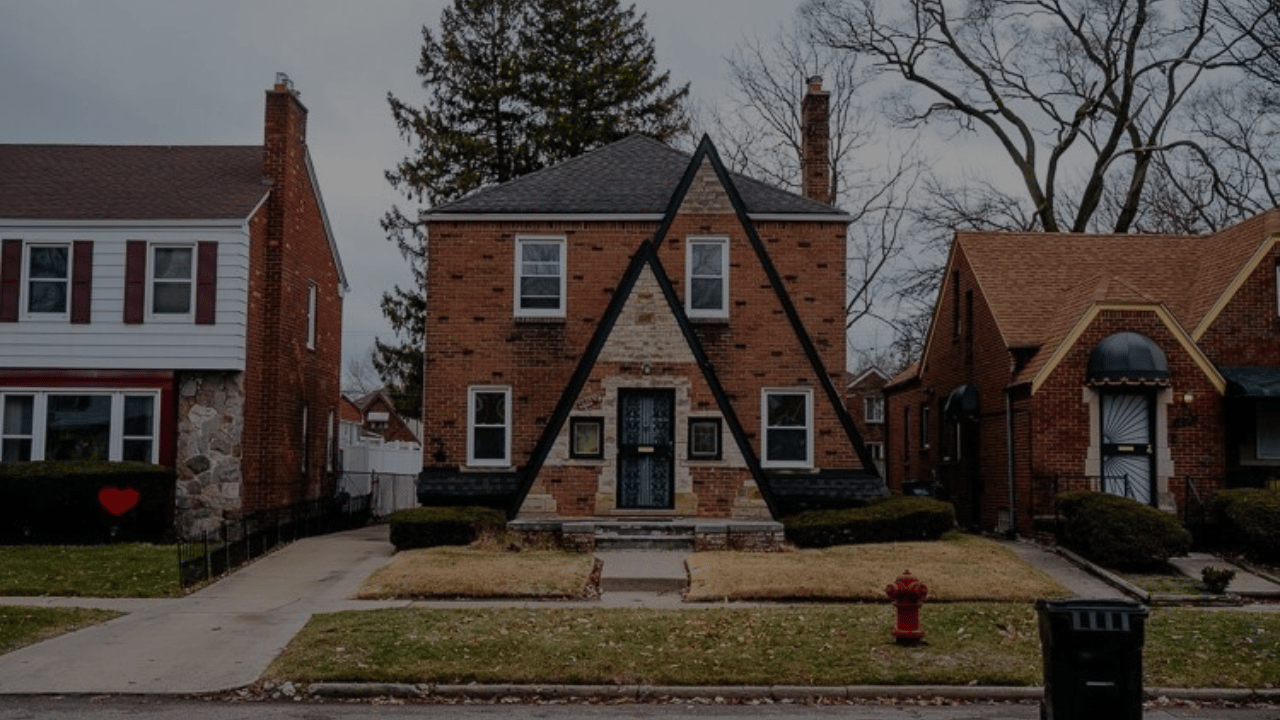
After working with home sellers across the Woodward Corridor, there’s one regret that comes up more than any other.
It’s not about timing the market. It’s not about price.
Most sellers in Royal Oak, Hazel Park, and surrounding communities wish they had understood what buyers were actually paying attention to before their home went on the market.
In this area, buyers are informed, cautious, and quick to read signals. Small decisions made early — around pricing strategy, preparation, and transparency — often have a bigger impact than sellers expect.
This guide walks through what most sellers say they wish they had known sooner, so you can make confident decisions and avoid unnecessary regret when selling your home in the Woodward Corridor.
1. How Home Sellers in Royal Oak and Hazel Park Lose Leverage Earlier Than They Expect

Most sellers assume leverage is lost when a price reduction happens.
In reality, leverage is often lost before that point.
Buyers don’t negotiate based on explanations — they respond to signals.
They notice: - how a home enters the market - whether the launch feels confident or uncertain - whether early adjustments feel intentional or reactive.
By the time a seller feels stuck or concerned, buyers have often already formed an opinion.
What many sellers wish they knew earlier is that leverage is built at the start — and protected through strategy, not waiting.
2. What Buyers in the Woodward Corridor Are Actually Evaluating

This usually shows up in three ways for sellers — and once you see them, they’re hard to unsee.
Sellers tend to focus on: - showing activity - online views - saves and favorites
Buyers are looking at something different.
They’re assessing: - clarity - condition - effort - transparency - overall trust
Why Decluttering Matters
Decluttering isn’t about design trends or minimalism.
It’s about helping buyers clearly see the home — and imagine themselves living there.
Crowded or overly personal spaces make buyers work harder to process what they’re seeing.
Clear, open spaces feel easier and more inviting. That ease matters.
Why Pre-Home Inspections Matter
Pre-home inspections aren’t about fixing everything.
They’re about removing unknowns.
When buyers understand the condition of a home upfront, they feel calmer and more confident.
Negotiations tend to feel cleaner. Surprises are reduced later in the process.
Pre-inspections also give sellers clarity about what truly matters — and what doesn’t.
What to Fix — and What Not to Fix
One of the most common areas of seller regret comes from repairs.
Some sellers over-improve and don’t see the return. Others under-prepare and create doubt.
The goal isn’t perfection. It’s trust.
Fixing items that raise questions. Addressing things buyers will notice immediately. Leaving cosmetic preferences alone.
Questions slow decisions. Clarity speeds them up.
3. Why Buyer Trust Drives Stronger Offers in This Market

This is the piece many sellers underestimate.
Buyers don’t write strong offers when they feel tense. They do when they feel comfortable.
Comfort comes from trust.
Trust in: - how the home is presented - how information is shared - how transparent the process feels - how confident the seller appears.
When trust is missing, buyers wait. When trust is present, buyers lean in.
Trust isn’t a soft concept — it’s a strategic one. It directly affects how decisively buyers move forward.
What Sellers Often Wish They Had Done Differently
Most sellers don’t wish they had timed the market perfectly.
They wish they had: - understood buyer behavior earlier - focused on clarity instead of guessing - asked better questions at the beginning - trusted a strategy instead of hoping.
Regret rarely comes from taking action. It comes from not knowing what mattered most when it mattered most.
Final Thoughts
Selling a home isn’t just a financial decision.
It’s a series of small choices that either create momentum — or friction.
Understanding what most sellers wish they had known earlier doesn’t create pressure. It creates protection.
If you’re watching the market and trying to make thoughtful decisions without regret, that’s a very normal place to be.
Clarity early on is often what sellers appreciate most in hindsight.
What Sellers Wish They Knew — Before Listing
In the video below, Lisa breaks down why most sellers don’t regret selling — they regret what they didn’t know soon enough, and how preparation before listing shapes stronger outcomes.
Frequently Asked Questions About Selling a Home in the Woodward Corridor
1 What do most sellers regret when selling a home in Royal Oak or Hazel Park?
Answer: Most sellers regret not understanding how buyers evaluate homes early in the process. Preparation, clarity, and trust often matter more than sellers expect, and those signals form quickly once a home is listed.
2 How do buyers in the Woodward Corridor decide whether to make an offer?
Answer: Buyers assess risk, transparency, and confidence. Homes that feel clear, well-prepared, and honest reduce hesitation and encourage stronger, cleaner offers.
3 Is pricing the most important factor when selling a home?
Answer: Price matters, but it’s rarely the first thing buyers respond to. Presentation, launch strategy, and clarity often shape buyer perception before price becomes the focus.
4 How can sellers avoid regret when selling their home?
Answer: By understanding buyer behavior early, asking better questions before listing, and using a clear strategy
instead of guessing or reacting later.
5 Why does trust matter so much to buyers?
Answer: Trust helps buyers feel comfortable moving forward. When trust is present, buyers are more decisive. When
it’s missing, they wait, hesitate, or protect themselves.
AUTHOR
Lisa A. Mills
Signature by Lisa | National Realty Centers
Based in Royal Oak, with deep market authority in Hazel Park and the surrounding Woodward
Corridor. Lisa helps homeowners navigate selling decisions with clarity, strategy, and intentional
exposure — especially during major life transitions.